

“`html
The Evolving World of Ecotourism
The Evolving World of Ecotourism: A Journey Towards Sustainable Travel
Ecotourism, a concept that blossomed in the late 20th century, has rapidly transformed from a niche travel style to a vital component of the global tourism industry. As the world grapples with the escalating effects of climate change and biodiversity loss, ecotourism stands as a beacon of hope, promising a more responsible and sustainable approach to travel. This article delves into the multifaceted world of ecotourism, exploring its definition, principles, benefits, challenges, and future trajectory.
Defining Ecotourism: Beyond the Buzzwords
At its core, ecotourism is about responsible travel to natural areas that conserves the environment and improves the well-being of local people. It’s a philosophy that prioritizes minimizing environmental impact, respecting local cultures, and generating economic benefits for host communities. However, the term “ecotourism” is often loosely used, leading to greenwashing and a dilution of its true meaning. True ecotourism adheres to a set of guiding principles:
Conservation Focus

Ecotourism activities should actively contribute to the protection and preservation of natural environments. This can involve supporting conservation projects, participating in habitat restoration, or simply minimizing one’s ecological footprint.
Community Engagement
Ecotourism should empower local communities by providing economic opportunities, fostering cultural exchange, and respecting traditional knowledge. This ensures that tourism benefits those who live closest to the natural resources being visited.
Education and Interpretation
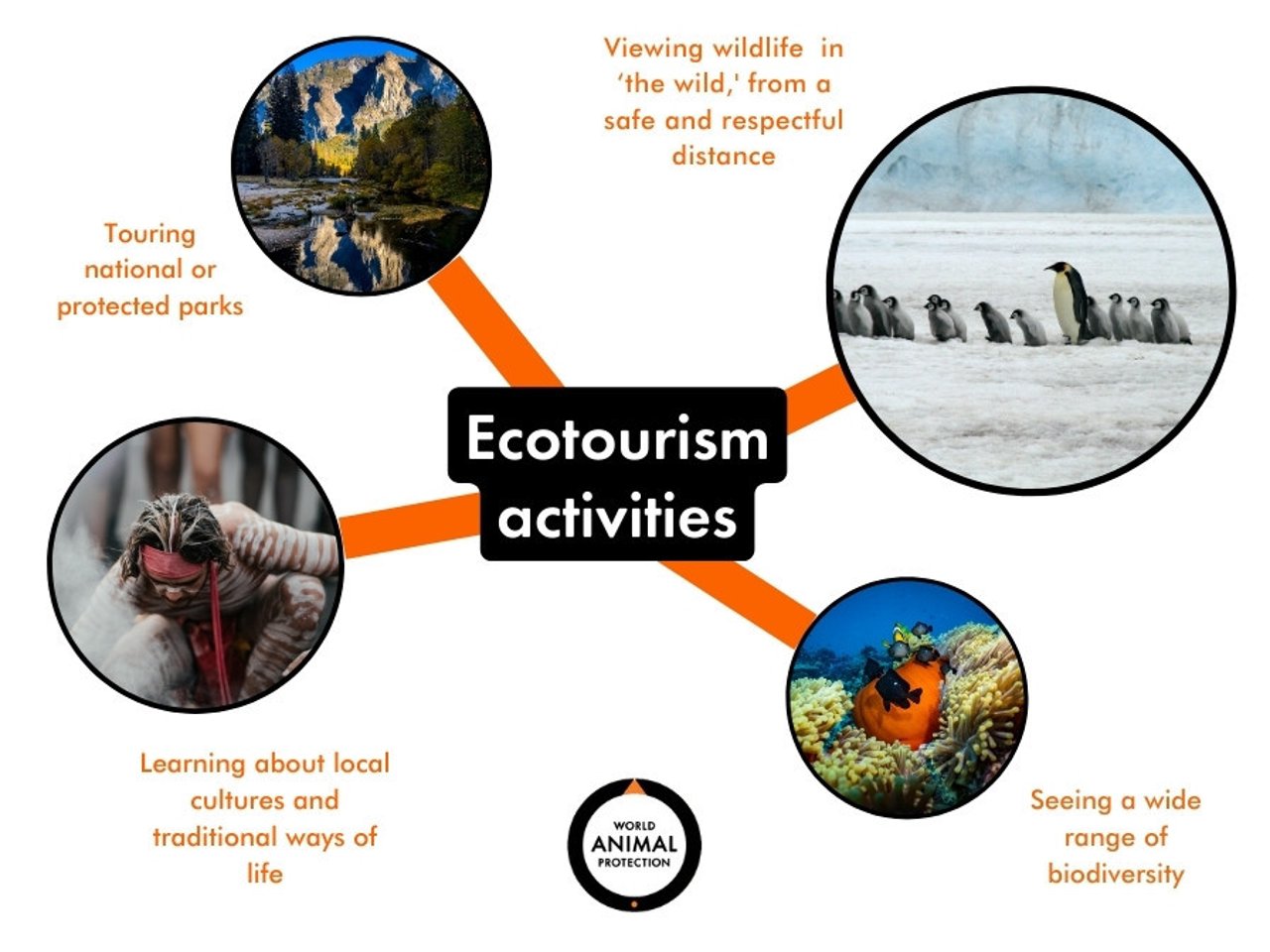
Ecotourism experiences should be educational, fostering a deeper understanding and appreciation of the natural world and local cultures. This can involve guided tours, interpretive programs, and opportunities for hands-on learning.
Minimizing Impact
Ecotourism minimizes its environmental impact through responsible practices such as reducing waste, conserving energy, and avoiding disturbance to wildlife. This includes choosing eco-friendly accommodations and transportation.
Ethical and Responsible Practices

Ecotourism operators should adhere to ethical business practices, ensuring fair wages, safe working conditions, and respect for human rights. This also involves transparent communication and accountability.
The Benefits of Ecotourism: A Multifaceted Impact
When implemented correctly, ecotourism offers a plethora of benefits, extending beyond environmental conservation. These benefits can be categorized into environmental, economic, and socio-cultural impacts:
Environmental Benefits
Ecotourism can contribute to the protection of biodiversity, the restoration of degraded ecosystems, and the reduction of pollution. By generating revenue for conservation efforts, it provides a financial incentive for protecting natural areas. Furthermore, by educating travelers about environmental issues, it fosters a sense of responsibility and encourages sustainable behaviors.
Economic Benefits
Ecotourism can create jobs and generate income for local communities, particularly in rural and remote areas. It can also diversify local economies, reducing reliance on unsustainable industries such as logging or mining. By promoting local businesses and products, it supports the development of sustainable livelihoods.
Socio-Cultural Benefits
Ecotourism can promote cultural exchange and understanding, fostering respect for local traditions and values. It can also empower local communities by giving them a voice in tourism development and ensuring that they benefit from tourism revenue. By promoting cultural heritage, it helps to preserve traditional knowledge and practices.
Challenges Facing Ecotourism: Navigating the Complexities
Despite its potential, ecotourism faces a number of challenges that can hinder its effectiveness and sustainability:
Greenwashing and Misuse of the Term
The widespread use of the term “ecotourism” has led to greenwashing, where businesses market themselves as eco-friendly without adhering to genuine sustainable practices. This can mislead consumers and undermine the credibility of the ecotourism industry.
Lack of Regulation and Standards
The absence of clear regulations and standards can make it difficult to ensure that ecotourism operators are adhering to sustainable practices. This can lead to inconsistencies in quality and impact, as well as a lack of accountability.
Balancing Conservation and Development
Ecotourism often involves balancing the needs of conservation with the demands of development. This can be challenging, as tourism development can sometimes lead to environmental degradation and cultural disruption.
Impacts of Climate Change
Climate change poses a significant threat to ecotourism destinations, particularly those located in vulnerable ecosystems such as coral reefs and rainforests. Rising sea levels, extreme weather events, and changes in biodiversity can all impact the viability of ecotourism operations.
Community Empowerment Challenges
Ensuring that local communities genuinely benefit from ecotourism can be complex. Issues like unequal power dynamics, lack of access to resources, and limited capacity can hinder effective community participation.
The Future of Ecotourism: Embracing Innovation and Responsibility
The future of ecotourism depends on its ability to adapt to changing circumstances and embrace innovative solutions. This involves addressing the challenges mentioned above and fostering a more responsible and sustainable approach to travel. Key trends shaping the future of ecotourism include:
Technological Integration
Technology can play a crucial role in enhancing the sustainability of ecotourism. This includes using digital platforms to promote responsible travel, implementing smart technologies to reduce energy consumption, and utilizing data analytics to monitor environmental impacts.
Regenerative Tourism
Regenerative tourism goes beyond minimizing impact and aims to actively restore and enhance ecosystems and communities. This involves supporting projects that promote biodiversity, restore degraded habitats, and revitalize local cultures.
Experiential and Transformative Travel
Travelers are increasingly seeking authentic and transformative experiences that connect them with nature and local cultures. Ecotourism operators can cater to this demand by offering immersive experiences that foster personal growth and meaningful connections.
Increased Focus on Community-Based Tourism
Community-based tourism empowers local communities to manage and benefit from tourism development. This involves providing training and resources to support community-led initiatives and ensuring that tourism revenue is reinvested in local projects.
Emphasis on Sustainable Consumption
Ecotourism operators and travelers need to adopt sustainable consumption practices, such as reducing waste, conserving water, and supporting local and ethical businesses. This involves making conscious choices about food, transportation, and accommodation.
Enhanced Collaboration and Partnerships
Collaboration between governments, NGOs, businesses, and local communities is essential for promoting sustainable ecotourism. This involves sharing best practices, developing joint initiatives, and advocating for responsible tourism policies.
The Role of the Traveler: Being a Responsible Ecotourist
Ultimately, the success of ecotourism depends on the choices made by individual travelers. By adopting a responsible approach to travel, we can contribute to the protection of natural environments and the well-being of local communities. This involves:
Choosing Responsible Operators
Select ecotourism operators that adhere to sustainable practices and prioritize community engagement. Look for certifications and endorsements from reputable organizations.
Respecting Local Cultures
Learn about local customs and traditions, and dress and behave respectfully. Support local businesses and artisans, and avoid patronizing exploitative practices.
Minimizing Environmental Impact
Reduce waste, conserve water and energy, and avoid disturbing wildlife. Choose eco-friendly transportation options and pack light to reduce your carbon footprint.
Educating Yourself
Learn about the natural environment and local cultures before you travel. Participate in educational programs and guided tours to deepen your understanding.
Giving Back to the Community
Support local conservation projects and community initiatives. Consider volunteering your time or donating to organizations that are working to protect the environment and improve the lives of local people.
Conclusion: A Call for Sustainable Travel
Ecotourism has the potential to be a powerful force for good, promoting environmental conservation, economic development, and cultural preservation. However, its success depends on a collective commitment to responsible travel practices. By embracing the principles of ecotourism and making conscious choices, we can ensure that our travels have a positive impact on the planet and its people. As the world becomes increasingly interconnected, ecotourism offers a pathway towards a more sustainable and equitable future for all.
“`


