

Navigating Tanzania’s Natural Wealth: A Deep Dive into the Ministry of Natural Resources and tourism
Tanzania, a land of breathtaking landscapes and unparalleled biodiversity, boasts a natural heritage that is both a national treasure and a global asset. From the snow-capped peaks of Kilimanjaro to the vast plains of the Serengeti, and the pristine coastlines of Zanzibar, the nation’s natural resources and tourism potential are pivotal to its economic and social development. At the helm of managing this wealth is the Ministry of Natural Resources and Tourism, a critical institution tasked with balancing conservation, sustainable utilization, and the promotion of a thriving tourism sector. This comprehensive exploration delves into the ministry’s multifaceted role, challenges, and strategic direction in shaping Tanzania’s future.
The Ministry of Natural Resources and Tourism operates under a broad mandate, encompassing the stewardship of:
Wildlife Resources
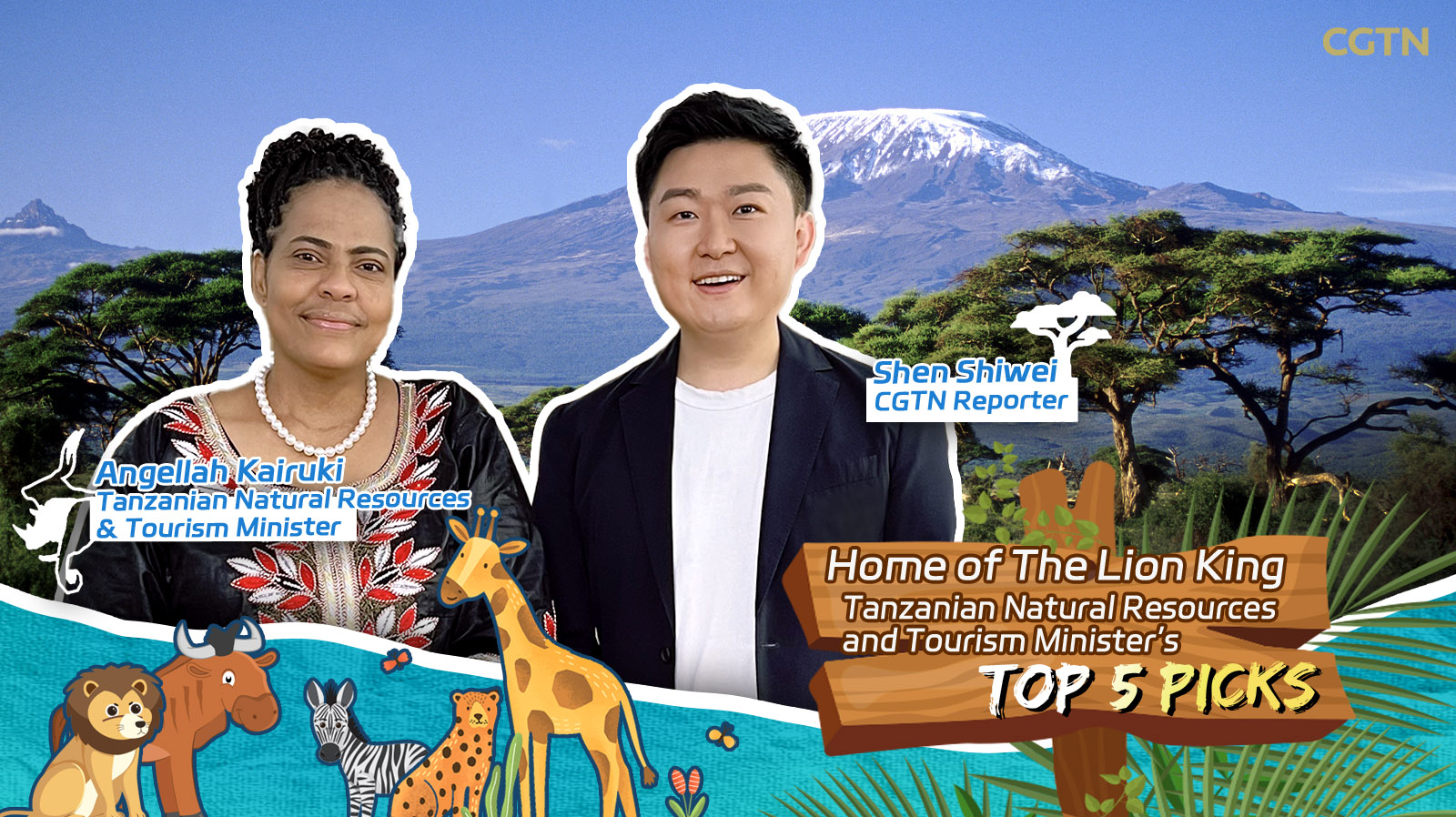
Managing and conserving Tanzania’s diverse wildlife populations, including iconic species like lions, elephants, and wildebeest.
Forest Resources
Ensuring the sustainable management of Tanzania’s forests, vital for carbon sequestration, biodiversity, and livelihoods.
Tourism Development
Promoting Tanzania as a premier tourism destination, showcasing its natural beauty and cultural heritage.
Beekeeping and Fisheries
Supporting the sustainable management of bee keeping and fisheries resources.
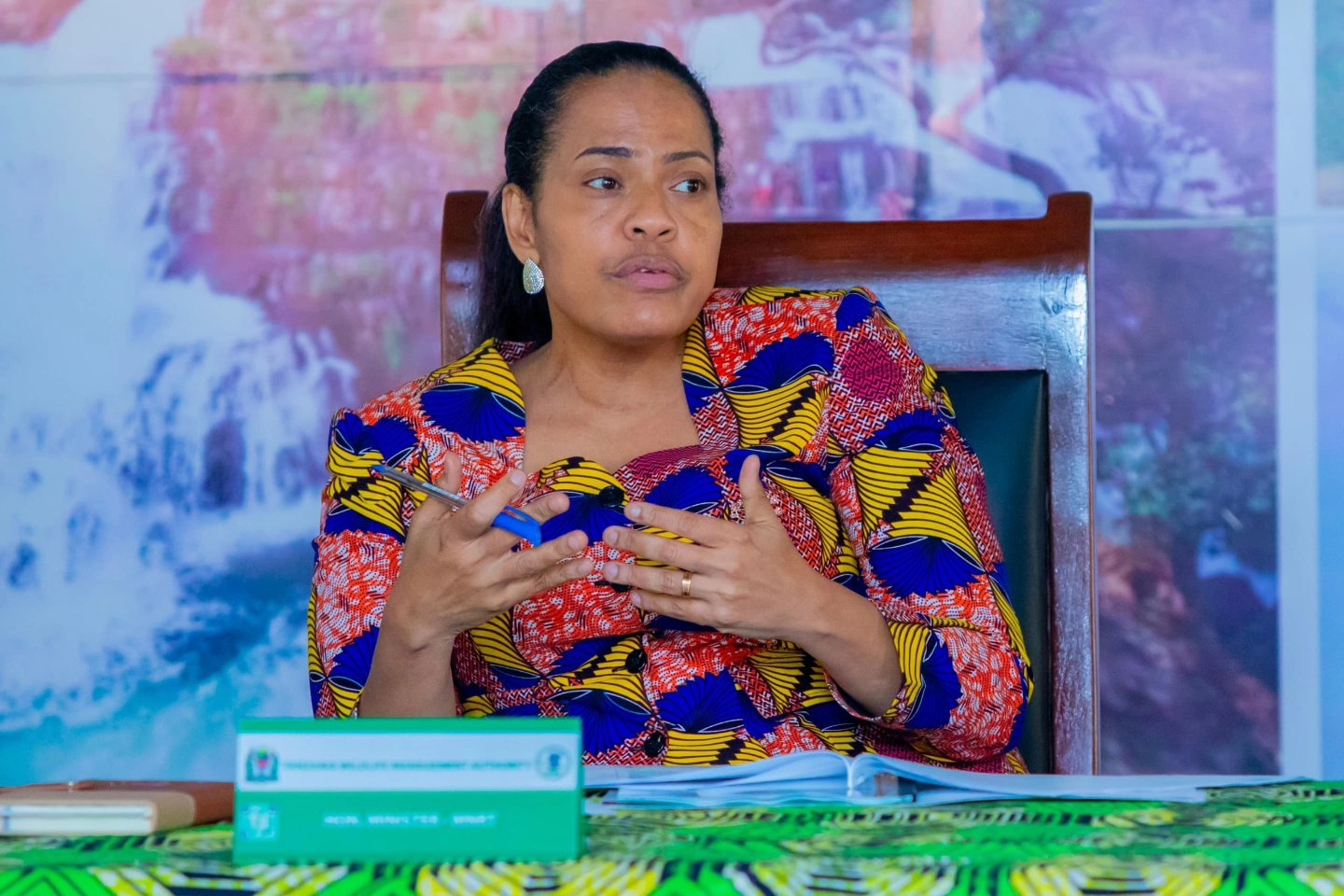
The Ministry faces a complex array of challenges, demanding innovative and adaptive strategies.
Combating Poaching and Illegal Wildlife Trade
The persistent threat of poaching, driven by international demand for ivory, rhino horn, and other wildlife products, necessitates a robust enforcement regime.
Managing Human-Wildlife Conflict
As human populations expand and encroach on wildlife habitats, conflicts between people and animals are on the rise.
Promoting Sustainable Tourism

While tourism is a vital source of revenue, it can also have negative environmental and social impacts.
Addressing Deforestation and Forest Degradation
Deforestation and forest degradation are major challenges, driven by agricultural expansion, charcoal production, and unsustainable logging practices.
Climate Change Impacts
Climate change is exacerbating existing challenges, with rising temperatures, changing rainfall patterns, and increased frequency of extreme weather events.
The Ministry of Natural Resources and Tourism is implementing a range of strategic initiatives to address these challenges and achieve its objectives.
Enhancing Protected Area Management
Investing in infrastructure and equipment for national parks and other protected areas.
Promoting Community-Based Conservation and Tourism
Empowering local communities to participate in and benefit from conservation and tourism.
Investing in Tourism Infrastructure and Development
Improving access to tourism destinations, including roads, airports, and other infrastructure.
Strengthening Institutional Capacity
Enhancing the capacity of the ministry and its agencies to manage natural resources and tourism effectively.
Promoting International Cooperation
Collaborating with international organizations and partners to address transboundary conservation challenges.
The Minister of Natural Resources and Tourism plays a pivotal role in providing strategic leadership and direction to the ministry. This includes:
Policy Formulation and Implementation
Developing and implementing policies and strategies to achieve the ministry’s objectives.
Stakeholder Engagement
Building and maintaining relationships with key stakeholders, including government agencies, private sector, civil society, and local communities.
Resource Mobilization
Securing adequate funding and resources for the ministry’s programs and activities.
Public Awareness and Education
Raising public awareness about the importance of natural resources and tourism.
The Ministry of Natural Resources and Tourism is at the forefront of Tanzania’s efforts to balance conservation and development. The nation’s natural wealth is a vital asset, providing economic opportunities, ecological benefits, and cultural significance. By implementing sound policies, fostering collaboration, and promoting sustainable practices, the ministry can ensure that Tanzania’s natural resources and tourism sector continue to thrive for generations to come. The Minister’s leadership is critical to navigating the complex challenges and capitalizing on the immense opportunities that lie ahead, securing a sustainable and prosperous future for Tanzania.


