

Cultivating Connection: The Rise of the Eco-tourism Farm Experience
In an era marked by rapid urbanization and a growing disconnect from nature, the allure of the eco-tourism farm has never been stronger. These havens, blending sustainable agriculture with immersive travel experiences, offer a refreshing alternative to conventional vacations. They provide a unique opportunity to reconnect with the land, learn about food production, and contribute to a more responsible and environmentally conscious form of tourism. This article delves into the multifaceted world of eco-tourism farms, exploring their benefits, challenges, and the transformative power they hold for both travelers and local communities.
The concept of eco-tourism farms is rooted in the broader principles of sustainable agriculture and responsible tourism. It emerged as a response to the growing awareness of the environmental and social impacts of conventional farming practices and mass tourism. These farms aim to minimize their ecological footprint while providing authentic and educational experiences for visitors.
A Symbiotic Relationship: Agriculture and Tourism
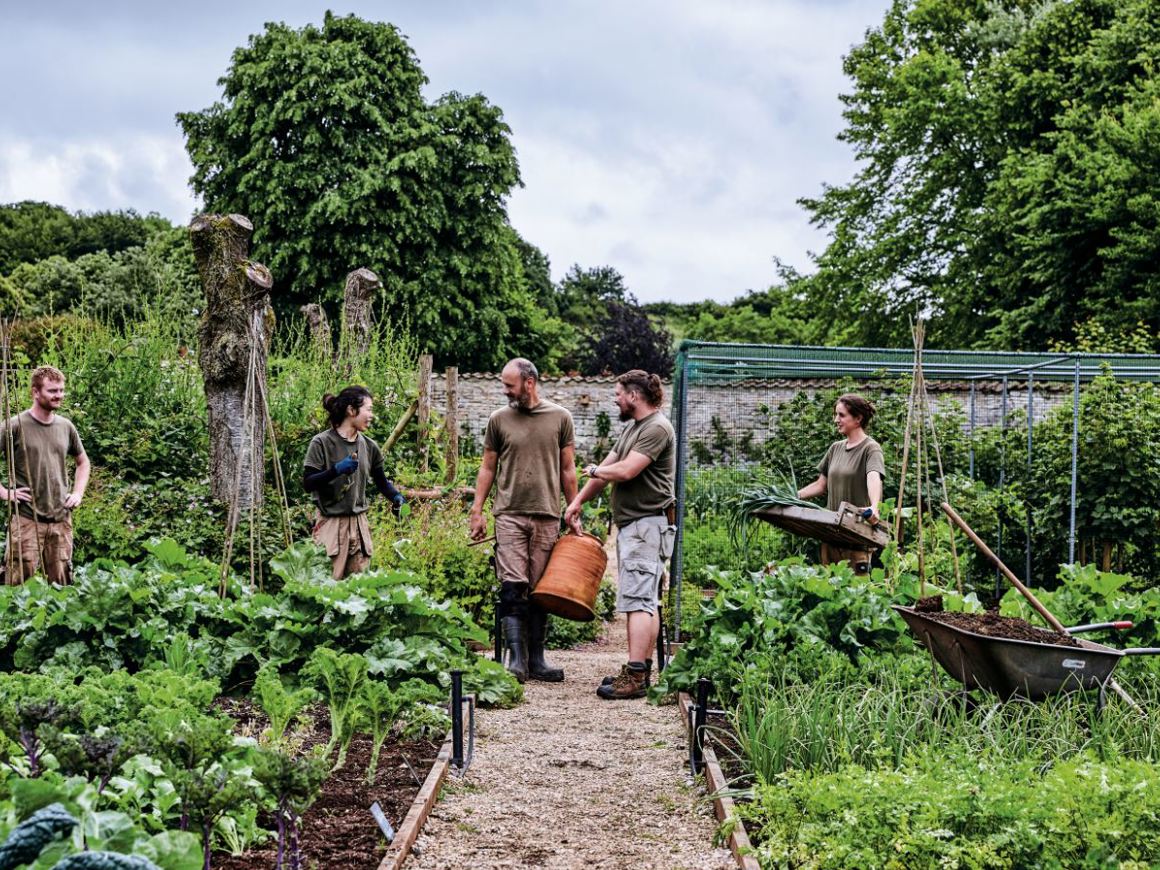
Eco-tourism farms operate on the premise that agriculture and tourism can coexist harmoniously. By integrating sustainable farming practices with visitor experiences, these farms create a mutually beneficial relationship. Tourists gain firsthand knowledge of food production and environmental stewardship, while farmers diversify their income streams and promote sustainable agricultural practices.
Beyond the Farm Gate: Community and Conservation
Many eco-tourism farms extend their impact beyond their immediate boundaries, contributing to local community development and environmental conservation efforts. They often source products from local suppliers, employ local residents, and support initiatives aimed at protecting biodiversity and preserving cultural heritage.
What draws travelers to eco-tourism farms? The answer lies in the unique blend of experiences they offer, which cater to a diverse range of interests and motivations.
Hands-On Learning: From Seed to Table

For many visitors, the opportunity to participate in farm activities is a major draw. They can learn about planting, harvesting, animal husbandry, and food processing, gaining a deeper appreciation for the effort involved in producing the food they consume.
Immersive Nature Experiences: The Beauty of the Land
Eco-tourism farms are often located in picturesque rural settings, offering visitors the chance to immerse themselves in nature. They can explore hiking trails, observe wildlife, and enjoy the tranquility of the countryside.
Cultural Exchange: Connecting with Local Traditions
Many eco-tourism farms are deeply rooted in local culture and traditions. Visitors can learn about traditional farming practices, culinary customs, and local crafts, fostering a deeper understanding and appreciation for the region’s heritage.
Sustainable Living: Embracing a Greener Lifestyle
Eco-tourism farms serve as living laboratories for sustainable living. Visitors can learn about renewable energy, water conservation, waste reduction, and other eco-friendly practices, inspiring them to adopt more sustainable habits in their own lives.

The positive impacts of eco-tourism farms extend far beyond the immediate experience of visitors.
Economic Diversification: Supporting Rural Communities
Eco-tourism provides farmers with a valuable source of supplemental income, reducing their reliance on traditional agricultural markets. This diversification helps to stabilize rural economies and create new employment opportunities.
Environmental Conservation: Protecting Natural Resources
Eco-tourism farms are committed to sustainable agricultural practices that minimize environmental impact. They often utilize organic farming methods, conserve water resources, and protect biodiversity.
Educational Opportunities: Raising Awareness of Sustainability
Eco-tourism farms play a crucial role in raising awareness of sustainable agriculture and environmental stewardship. By providing firsthand experiences, they inspire visitors to become more responsible consumers and advocates for environmental protection.
Cultural Preservation: Safeguarding Local Heritage
Eco-tourism farms often serve as custodians of local culture and traditions. By showcasing traditional farming practices, culinary customs, and local crafts, they help to preserve cultural heritage for future generations.
While the benefits of eco-tourism farms are undeniable, they also face a number of challenges.
Balancing Tourism and Agriculture: Maintaining Farm Productivity
Integrating tourism activities with farming operations requires careful planning and management. Farms must ensure that tourism activities do not interfere with agricultural production or compromise the quality of the visitor experience.
Managing Environmental Impacts: Minimizing Footprint
Even eco-tourism farms can have environmental impacts if not managed properly. Issues such as waste management, water consumption, and energy use must be carefully addressed to minimize the farm’s ecological footprint.
Ensuring Authenticity: Avoiding Greenwashing
It is crucial that eco-tourism farms genuinely adhere to sustainable practices and provide authentic experiences. Visitors should be wary of “greenwashing,” where farms falsely claim to be eco-friendly.
Community Engagement: Building Partnerships
Successful eco-tourism farms engage with local communities, building partnerships and ensuring that tourism benefits are shared equitably. This involves respecting local customs, employing local residents, and supporting community initiatives.
As the demand for sustainable travel experiences continues to grow, the future of eco-tourism farms looks bright.
Technological Integration: Enhancing the Visitor Experience
Technology can play a significant role in enhancing the visitor experience at eco-tourism farms. Mobile apps can provide information about farm activities, educational resources, and local attractions. Smart farming technologies can optimize resource management and improve agricultural productivity.
Diversification of Offerings: Catering to Diverse Interests
Eco-tourism farms are increasingly diversifying their offerings to cater to a wider range of interests. This includes offering cooking classes, farm-to-table dining experiences, wellness retreats, and educational workshops.
Collaboration and Networking: Building a Stronger Sector
Collaboration and networking among eco-tourism farms can help to strengthen the sector and promote best practices. This includes sharing knowledge, resources, and marketing efforts.
Focusing on Regenerative Agriculture: Going Beyond Sustainability
The future of eco-tourism farms will likely see a greater emphasis on regenerative agriculture. This approach focuses on restoring and enhancing ecosystems, building soil health, and promoting biodiversity.
To illustrate the diverse range of eco-tourism farm experiences, let’s explore a few inspiring examples.
Finca Luna Nueva Lodge (Costa Rica): A Pioneer in Biodynamic Farming
Finca Luna Nueva Lodge is a renowned eco-lodge and biodynamic farm located in the rainforest of Costa Rica. The farm specializes in growing organic produce, spices, and medicinal herbs, and offers visitors the opportunity to learn about biodynamic farming practices.
Mahima Creations (India): Empowering Women through Sustainable Agriculture
Mahima Creations is a women-led eco-tourism farm in India that empowers local women through sustainable agriculture and handicrafts. The farm offers visitors the chance to learn about traditional farming techniques, participate in craft workshops, and experience rural Indian culture.
The Grange Farm (UK): Connecting Urban Dwellers with Rural Life
The Grange Farm, in the UK, invites city dwellers to participate in seasonal farming activities, and learn about the local food system. They provide experiences in planting, harvesting, and taking care of farm animals.
Eco-tourism farms represent a powerful model for sustainable tourism, connecting travelers with the land, supporting rural communities, and promoting environmental stewardship. By embracing the eco-tourism farm experience, we can contribute to a more responsible and meaningful form of travel that benefits both people and the planet.


