Eco-Tourism: Facts You Should Know

Eco-Tourism: Facts You Should Know

Absolutely! Here’s a 3000-word article about ecotourism facts, formatted with `

` and `

` tags for better readability:

  • Ecotourism: A Journey Towards Sustainable Travel
  • Ecotourism has emerged as a crucial component of the modern travel industry, offering a way to explore the world while minimizing environmental impact and supporting local communities. It’s more than just a buzzword; it’s a philosophy that promotes responsible travel and fosters a deeper connection with nature.

    What is Ecotourism?

    Ecotourism is defined as responsible travel to natural areas that conserves the environment, sustains the well-being of the local people, and involves interpretation and education. It’s a form of tourism inspired primarily by the natural environment. To be considered ecotourism, it must contribute to conservation, include meaningful community participation, and offer educational experiences.

    Key Principles of Ecotourism
    Eco-Tourism: Facts You Should Know
    Ecotourism : Ecotourism Examples, Definition & Best Practices

    Minimizing Environmental Impact: This involves reducing carbon footprints, conserving resources, and avoiding pollution.

  • Building Environmental and Cultural Awareness: Ecotourism promotes understanding and respect for natural and cultural heritage.
  • Providing Direct Financial Benefits for Conservation: Tourism revenue should support conservation efforts.
  • Generating Financial Benefits for Local People: Ecotourism should empower local communities and improve their livelihoods.
  • Delivering Memorable Interpretive Experiences to Visitors: Educational components enhance the visitor’s understanding and appreciation of the environment.
  • Respecting Local Culture and Human Rights: Ecotourism should be sensitive to local customs and traditions.

  • The Importance of Ecotourism

    In an era of increasing environmental challenges, ecotourism plays a vital role in promoting sustainable development.

    Conservation of Natural Resources

    Ecotourism initiatives often fund the protection of endangered species and their habitats.

  • It encourages the preservation of biodiversity by creating economic incentives for conservation.
  • By promoting responsible travel, it reduces the negative impacts of mass tourism on fragile ecosystems.

  • Empowerment of Local Communities

    Ecotourism creates employment opportunities for local people, reducing poverty and promoting economic development.

  • It empowers communities to manage their natural resources sustainably.
  • It supports the preservation of local cultures and traditions by showcasing them to visitors.

  • Education and Awareness

    image.title
    Sustainable tourism statistics – LuggageHero

    Ecotourism provides opportunities for travelers to learn about environmental issues and conservation efforts.

  • It fosters a sense of responsibility and encourages visitors to adopt sustainable practices in their daily lives.
  • It raises awareness about the importance of biodiversity and the need to protect natural ecosystems.

  • Ecotourism Destinations and Activities

    Ecotourism can take many forms, from wildlife safaris to cultural immersion experiences.

    Wildlife Safaris

    Destinations like the Serengeti in Tanzania and the Amazon rainforest in Brazil offer opportunities to observe wildlife in their natural habitats.

  • Responsible wildlife safaris prioritize animal welfare and minimize disturbance to wildlife.
  • They often involve guided tours with knowledgeable local experts who can provide insights into the local ecosystem.

  • Cultural Immersion

    Ecotourism can involve staying in traditional villages and participating in local customs and activities.

  • It provides opportunities to learn about indigenous cultures and their relationship with the environment.
  • It promotes cultural exchange and understanding between visitors and local communities.

  • Adventure Ecotourism

    Activities like hiking, kayaking, and birdwatching allow travelers to explore natural areas while minimizing their impact.

  • Adventure ecotourism often involves small groups and guided tours to reduce environmental disturbance.
  • It promotes physical activity and a deeper connection with nature.

  • Marine Ecotourism

    Snorkeling and diving in coral reefs allows people to experience underwater ecosystems.

  • Whale and dolphin watching tours, when done responsibly, can educate about marine mamals.
  • Mangrove tours by kayak, and other low impact marine activities can showcase the importance of these ecosystems.

  • Challenges and Considerations

    While ecotourism offers numerous benefits, it also faces challenges that must be addressed to ensure its sustainability.

    Greenwashing

    Some tourism operators may falsely claim to be ecotourism providers to attract environmentally conscious travelers.

  • It’s essential to research and choose reputable ecotourism operators that adhere to ethical and sustainable practices.
  • Look for certifications and verifications from reputable organizations.

  • Over-tourism

    Popular ecotourism destinations can suffer from over-tourism, leading to environmental degradation and cultural disruption.

  • Sustainable tourism management practices are needed to control visitor numbers and minimize impacts.
  • Spreading tourism across less popular locations can help.

  • Community Involvement

    True ecotourism requires meaningful community involvement in planning and managing tourism activities.

  • Ensuring that local communities receive a fair share of the benefits is crucial for long-term sustainability.
  • Community lead initiatives are more sustainable.

  • Impact on Wildlife

    Even responsible wildlife tourism can have unintended impacts on animal behavior and habitats.

  • Strict guidelines and regulations are necessary to minimize disturbance and ensure animal welfare.
  • Smaller groups and well trained guides are essential.

  • The Future of Ecotourism

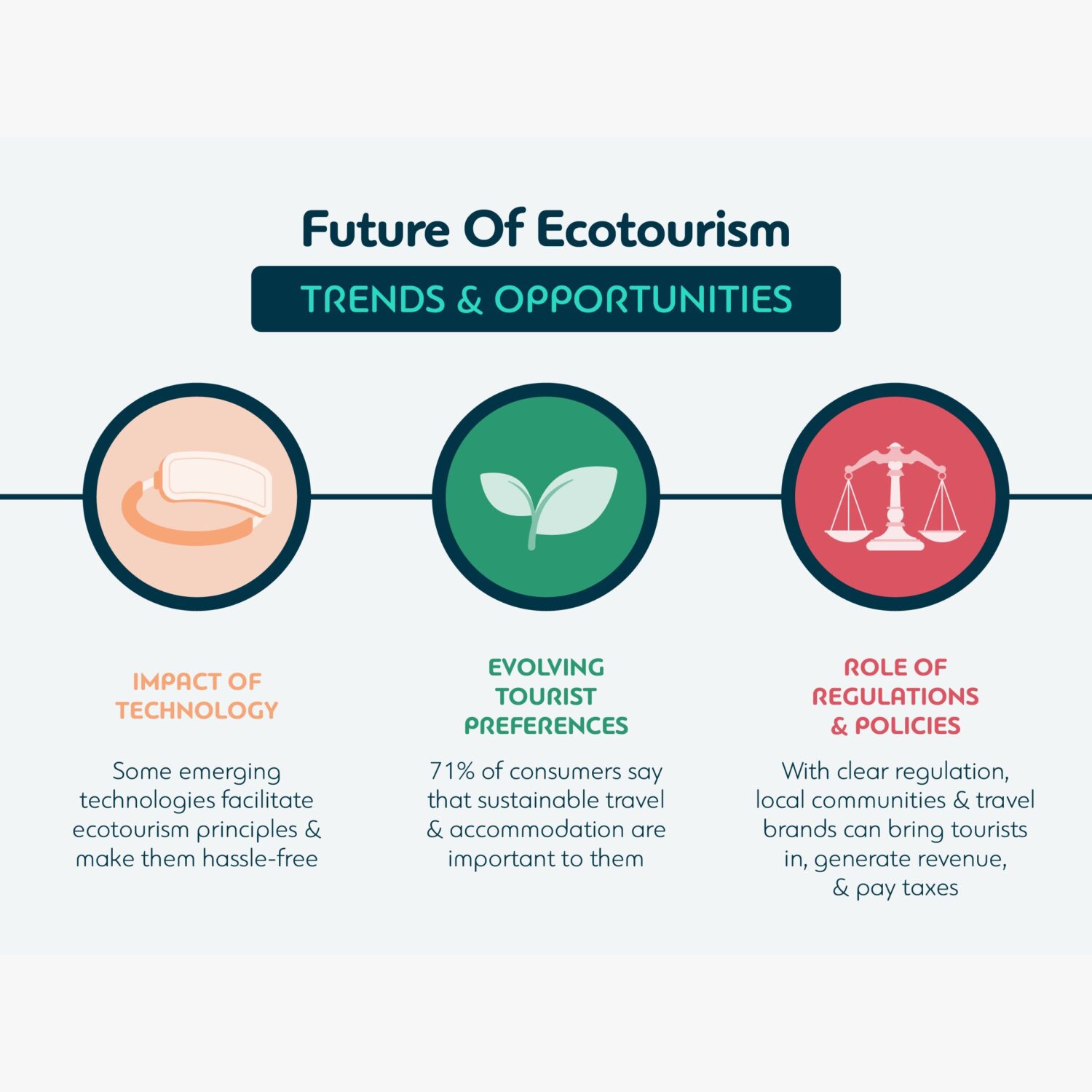
    Ecotourism is poised to play an increasingly important role in the future of travel.

    Technological Advancements

    Technology can be used to monitor environmental impacts and improve the sustainability of ecotourism operations.

  • Virtual reality and augmented reality can provide immersive experiences that reduce the need for physical travel.
  • Apps can help travelers find sustainable operators, and track their carbon footprint.

  • Increased Awareness and Demand

    Growing awareness of environmental issues is driving demand for sustainable travel options.

  • Travelers are increasingly seeking authentic and meaningful experiences that contribute to conservation and community development.
  • Social media is helping to spread awareness of ecotourism.

  • Collaboration and Partnerships

    Collaboration between governments, tourism operators, and local communities is essential for promoting sustainable ecotourism.

  • Partnerships with conservation organizations can help to ensure that tourism activities support environmental protection.
  • International cooperation is needed to establish best practices.

  • Focus on Education

    Future ecotourism will need to focus on providing even more educational content.

  • Interactive exhibits, and on location learning experiences can help travelers to better understand the ecosystems they visit.
  • Promoting scientific research in ecotourism locations, and allowing for tourist participation when possible, can create a more informed travelling public.

  • Ecotourism offers a powerful way to travel responsibly and contribute to a more sustainable future. By choosing ethical and sustainable tourism options, travelers can make a positive impact on the environment and local communities, while enjoying unforgettable experiences in nature.

    Comments

    No comments yet. Why don’t you start the discussion?

    Leave a Reply

    Your email address will not be published. Required fields are marked *