

Unveiling Canada’s Wild Heart: A Comprehensive Guide to Nature tourism
Canada, a land of breathtaking landscapes and unparalleled wilderness, beckons nature enthusiasts from around the globe. From the towering peaks of the Rockies to the serene shores of the Atlantic, the country offers a diverse array of experiences that cater to every adventurer. This comprehensive guide delves into the heart of Canadian nature tourism, exploring its iconic destinations, activities, and the importance of responsible travel.
Canada’s vast expanse encompasses a tapestry of ecosystems, each teeming with unique flora and fauna. Whether you seek the thrill of wildlife encounters, the tranquility of pristine lakes, or the challenge of rugged hiking trails, Canada promises an unforgettable journey into the wild.
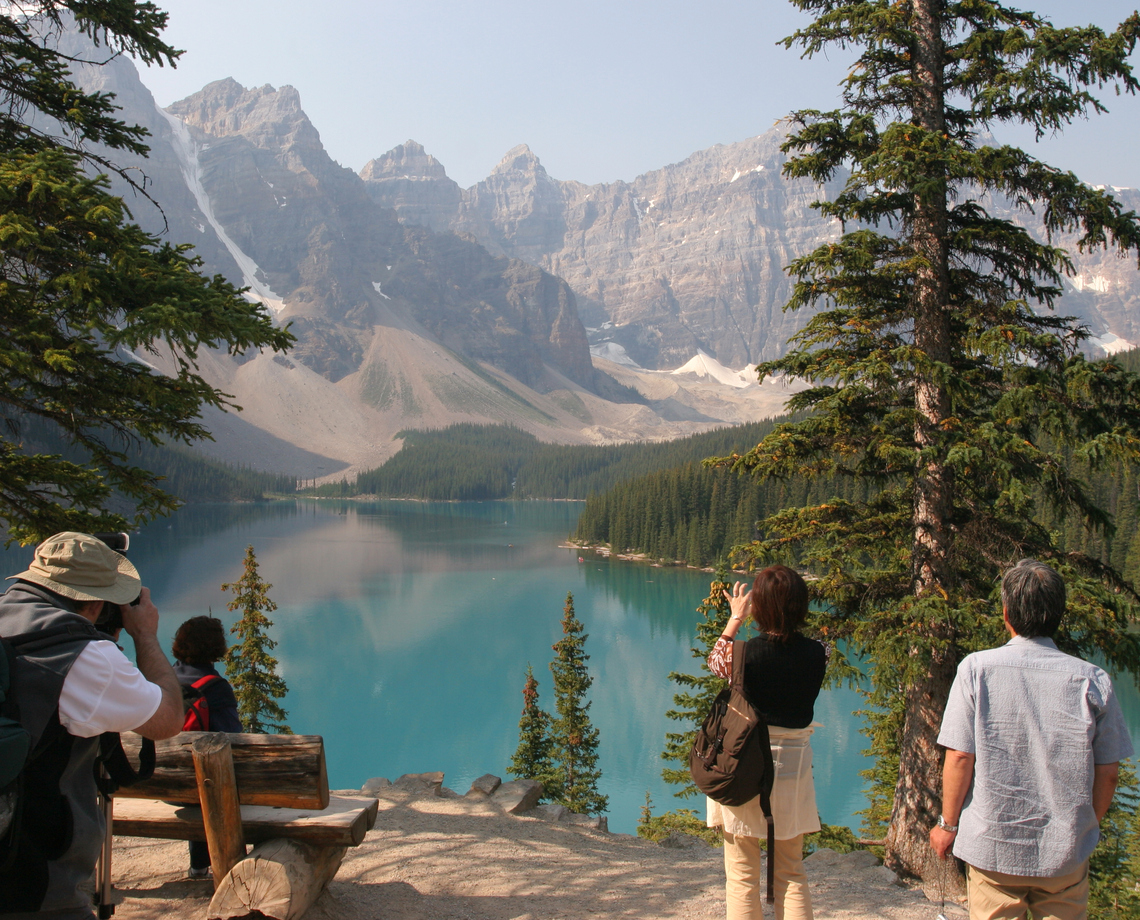
Banff National Park: The Jewel of the Rockies
Banff, Canada’s oldest national park, stands as a testament to the majesty of the Rocky Mountains. With its turquoise lakes, snow-capped peaks, and abundant wildlife, Banff offers a plethora of activities, including hiking, skiing, and wildlife viewing.
Lake Louise: Known for its stunning glacial waters and iconic chateau.
Jasper National Park: A Sanctuary of Wilderness
Adjacent to Banff, Jasper National Park boasts a more remote and rugged landscape. It’s a haven for stargazers, hikers, and wildlife enthusiasts.
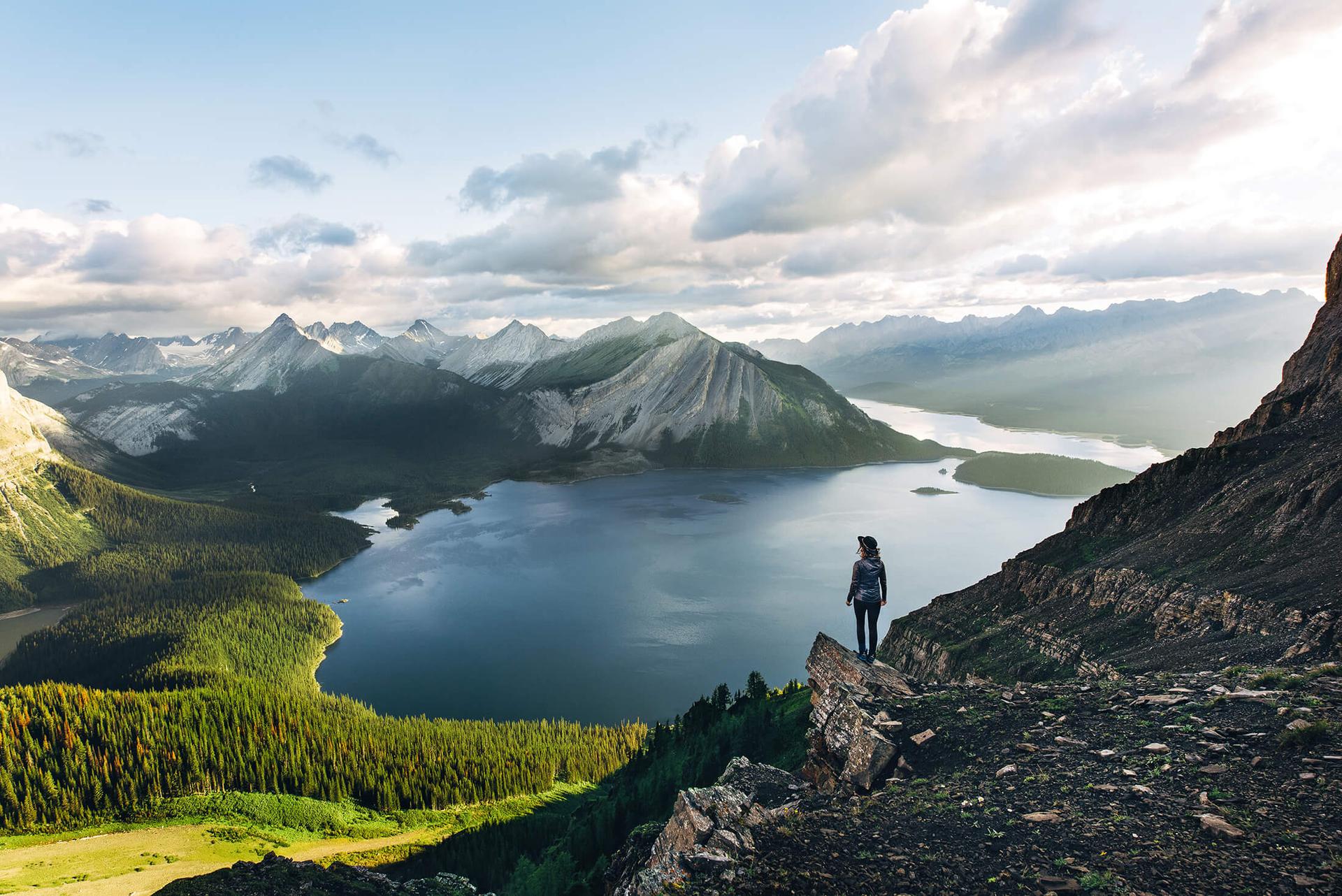
Maligne Canyon: A deep limestone gorge with cascading waterfalls and hiking trails.
Pacific Rim National Park Reserve: Coastal Rainforest Beauty
Located on Vancouver Island, Pacific Rim National Park Reserve showcases the lush beauty of the coastal rainforest and the rugged coastline of the Pacific Ocean.
Long Beach: A vast sandy beach ideal for surfing, beachcombing, and whale watching.
Gros Morne National Park: A Geological Marvel
In Newfoundland and Labrador, Gros Morne National Park stands as a UNESCO World Heritage Site, renowned for its unique geological formations and fjord-like landscapes.

Western Brook Pond Fjord: A stunning freshwater fjord carved by glaciers.
Canada’s diverse ecosystems provide habitats for a wide range of wildlife, offering unparalleled opportunities for wildlife viewing.
Bear Viewing: Grizzly and Black Bears
British Columbia: The Great Bear Rainforest is renowned for its grizzly bear viewing opportunities.
Whale Watching: Marine Giants
Vancouver Island: The waters off Vancouver Island are home to orcas, humpback whales, and gray whales.
Birdwatching: A Paradise for Ornithologists
Point Pelee National Park, Ontario: A migratory hotspot for birds, particularly during spring and fall.
Hiking and Trekking: Exploring Diverse Landscapes
Canada offers a vast network of hiking trails, catering to all levels of experience.
The East Coast Trail, Newfoundland and Labrador: A long-distance coastal trail offering stunning views and rugged terrain.
Kayaking and Canoeing: Navigating Waterways
Canada’s vast network of lakes, rivers, and coastal waterways provides ample opportunities for kayaking and canoeing.
Bowron Lake Provincial Park, British Columbia: A classic canoe circuit through a chain of lakes and rivers.
Fishing: Angling in Pristine Waters
Canada’s pristine waters are home to a variety of fish species, making it a popular destination for anglers.
British Columbia: Fly fishing for salmon and steelhead in remote rivers.
Winter Activities: Embracing the Snow
Canada’s winter landscapes offer a range of activities, from skiing and snowboarding to snowshoeing and ice climbing.
Whistler Blackcomb, British Columbia: A world-renowned ski resort with vast terrain and stunning views.
Canada’s natural treasures are vulnerable to the impact of human activity. It is crucial to practice responsible tourism to minimize our footprint and preserve these landscapes for future generations.
Leave No Trace Principles
Adhere to the Leave No Trace principles to minimize your impact on the environment.
Plan ahead and prepare.
Respect Wildlife
Observe wildlife from a safe distance and avoid feeding or disturbing animals.
Keep a safe distance from wildlife.
Support Local Communities
Engage with local communities and support sustainable tourism practices.
Purchase goods and services from local businesses.
Best Time to Visit
Summer (June-August): Ideal for hiking, camping, and water activities.
Getting Around
Car rental: Provides flexibility and independence.
Accommodation
National park campgrounds: Offer basic amenities and access to trails.
Canada’s vast wilderness offers an unparalleled opportunity to connect with nature and experience the raw beauty of the planet. By practicing responsible tourism and respecting the environment, we can ensure that these treasures remain for generations to come. From the towering peaks of the Rockies to the serene shores of the Atlantic, Canada invites you to embark on an unforgettable journey into its wild heart.


