

Absolutely! Here’s a 3000-word article about natural tourist attractions, formatted with `
` and `
` tags instead of “:
Our planet is a masterpiece, sculpted by time and nature’s relentless artistry. Beyond bustling cities and man-made wonders, lies a realm of untamed beauty – natural tourist attractions that inspire awe and reverence. These landscapes, born of geological forces and biological processes, offer profound experiences, reminding us of Earth’s inherent grandeur. From towering mountains to hidden caves, let’s embark on a journey through some of the most captivating natural wonders.
Majestic Mountain Ranges: Peaks of Awe and Adventure
Mountains, with their jagged peaks and sweeping vistas, have always captivated human imagination. They represent the Earth’s raw power and offer a sanctuary for adventurers and nature enthusiasts alike.
The Himalayas: Roof of the World
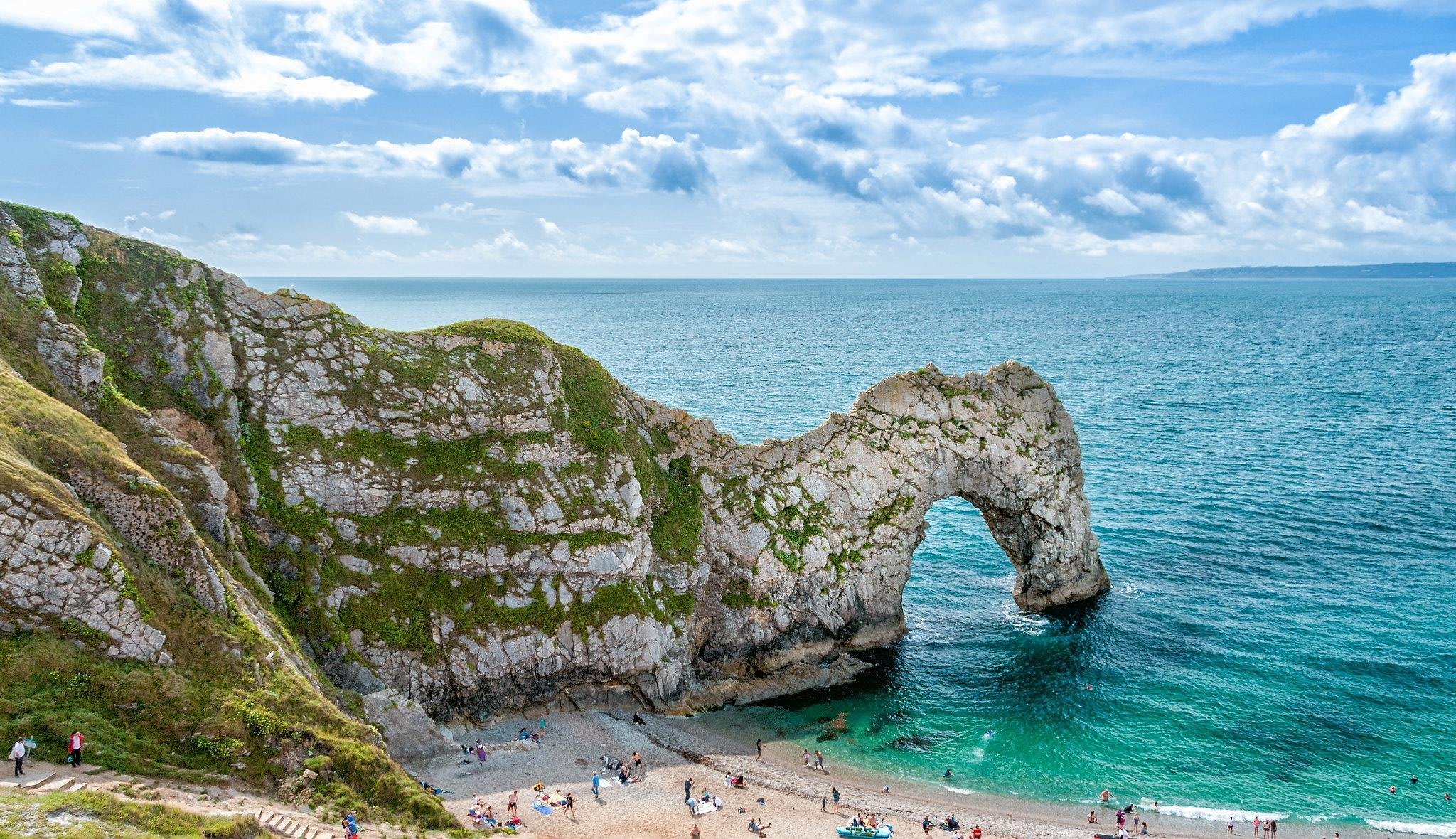
The Himalayas, home to the world’s highest peaks, including Mount Everest, are a testament to the planet’s tectonic might. These mountains stretch across five countries, offering diverse landscapes from lush valleys to icy glaciers. Trekkers and climbers are drawn to their challenging trails and breathtaking panoramas, while spiritual seekers find solace in their serene atmosphere.
The Rocky Mountains: North America’s Backbone
Spanning over 3,000 miles, the Rocky Mountains are a diverse ecosystem, encompassing alpine meadows, dense forests, and crystal-clear lakes. National parks like Yellowstone and Banff showcase the Rockies’ splendor, featuring geysers, hot springs, and abundant wildlife. Hiking, camping, and skiing are popular activities, offering opportunities to immerse oneself in this rugged wilderness.
The Andes: South America’s Spine
The Andes, the longest continental mountain range in the world, boast a stunning array of landscapes, from the arid Atacama Desert to the lush Amazon rainforest. They are home to unique cultures and ancient civilizations, such as the Inca, whose legacy is evident in the ruins of Machu Picchu. The Andes offer a blend of natural beauty and cultural richness, making them a compelling destination for travelers.
Water Wonders: Sculpted by Flow and Time
Water, the lifeblood of our planet, has sculpted some of the most spectacular natural attractions. From cascading waterfalls to serene lakes, water’s power and beauty are undeniable.
Victoria Falls: The Smoke That Thunders
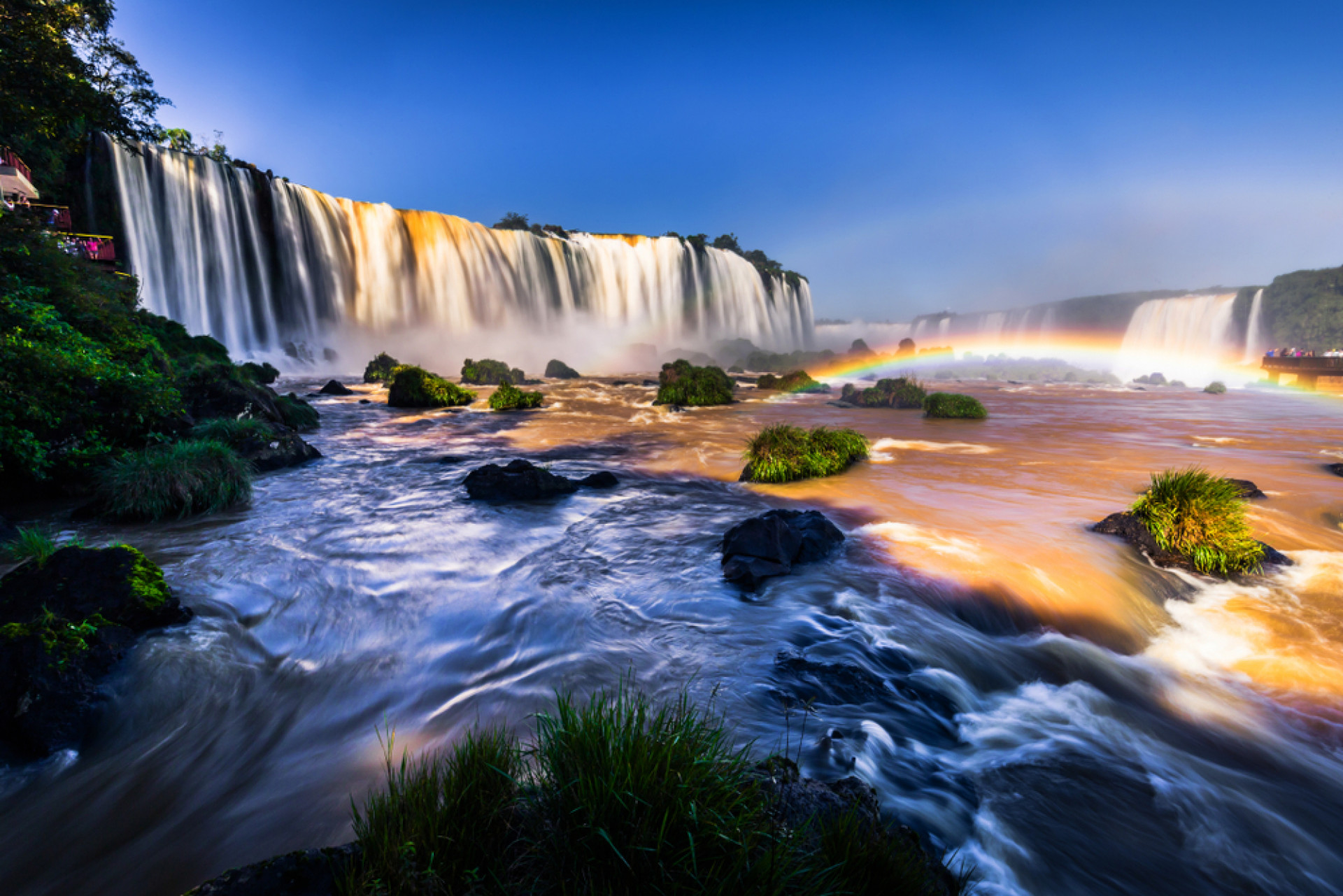
Located on the Zambezi River between Zambia and Zimbabwe, Victoria Falls is one of the world’s most magnificent waterfalls. Its immense curtain of water plunges over 350 feet, creating a thunderous roar and a mist that can be seen for miles. The local name, Mosi-oa-Tunya, meaning “The Smoke That Thunders,” perfectly captures its awe-inspiring spectacle.
The Great Barrier Reef: A Coral Paradise
Off the coast of Australia, the Great Barrier Reef is the world’s largest coral reef system, home to a dazzling array of marine life. Its vibrant coral gardens and crystal-clear waters offer unparalleled snorkeling and diving experiences. However, climate change poses a significant threat to this fragile ecosystem, highlighting the need for its conservation.
The Plitvice Lakes National Park: A Cascade of Beauty
In Croatia, the Plitvice Lakes National Park is a network of 16 interconnected lakes, cascading waterfalls, and lush forests. The park’s turquoise waters and travertine barriers create a mesmerizing landscape. Wooden walkways and trails allow visitors to explore this natural wonder, offering stunning views at every turn.
Underground Realms: Caves and Caverns of Mystery
Beneath the Earth’s surface lies a hidden world of caves and caverns, sculpted by water and time. These subterranean realms are filled with stalactites, stalagmites, and other geological formations, creating a surreal and enchanting atmosphere.
The Waitomo Glowworm Caves: A Starry Subterranean Sky

In New Zealand, the Waitomo Glowworm Caves are a magical experience. Thousands of glowworms illuminate the cave’s ceiling, creating a breathtaking display that resembles a starry night. Boat tours through the caves offer a unique perspective, allowing visitors to marvel at this natural phenomenon.
The Mammoth Cave National Park: A Labyrinth of Passages
Located in Kentucky, USA, Mammoth Cave is the world’s longest known cave system. Its vast network of passages and chambers stretches for over 400 miles, showcasing a variety of geological formations. Guided tours offer insights into the cave’s history, geology, and ecology.
The Son Doong Cave: A Hidden World
In Vietnam, Son Doong Cave is the world’s largest cave passage by volume. Its colossal chambers and underground river create a surreal landscape, complete with its own microclimate and ecosystem. Expeditions into the cave are limited, making it an exclusive and extraordinary adventure.
Desert Landscapes: Arid Beauty and Resilience
Deserts, often perceived as barren and inhospitable, are home to some of the most dramatic and beautiful landscapes on Earth. Their stark beauty and unique ecosystems offer a glimpse into the planet’s resilience.
The Sahara Desert: A Sea of Sand
Stretching across North Africa, the Sahara Desert is the largest hot desert in the world. Its vast expanse of sand dunes, rocky plateaus, and hidden oases create a landscape of stark beauty. Camel treks and desert safaris offer opportunities to experience the Sahara’s unique charm and nomadic cultures.
The Atacama Desert: A Martian Landscape
In Chile, the Atacama Desert is one of the driest places on Earth. Its otherworldly landscapes, including salt flats, geysers, and lunar valleys, make it a popular destination for stargazing and adventure tourism. The Atacama’s extreme conditions have also made it a valuable site for scientific research.
The Wadi Rum: Valley of the Moon
In Jordan, Wadi Rum is a desert valley known for its dramatic sandstone mountains and red sand dunes. Its stark beauty and serene atmosphere have made it a popular filming location and a favorite destination for desert adventures. Bedouin camps offer traditional hospitality and opportunities to experience the desert’s magic.
Forests and Rainforests: Green Sanctuaries of Life
Forests and rainforests, the Earth’s lungs, are vital ecosystems that support a rich diversity of life. Their lush vegetation and abundant wildlife offer a sense of tranquility and connection with nature.
The Amazon Rainforest: Earth’s Lungs
Spanning across nine countries in South America, the Amazon Rainforest is the world’s largest tropical rainforest. Its immense biodiversity and vital role in regulating the planet’s climate make it a crucial ecosystem. River cruises and jungle treks offer opportunities to explore the Amazon’s wonders and learn about its indigenous cultures.
The Redwood National and State Parks: Giants of the Forest
In California, USA, the Redwood National and State Parks are home to the world’s tallest trees, the coast redwoods. These towering giants, some over 300 feet tall, create a majestic and awe-inspiring atmosphere. Hiking and camping among the redwoods offer a profound connection with nature’s grandeur.
The Daintree Rainforest: Ancient Wilderness
In Australia, the Daintree Rainforest is one of the oldest rainforests on Earth. Its lush vegetation, ancient trees, and diverse wildlife offer a glimpse into the planet’s past. River cruises and guided walks provide opportunities to explore this pristine wilderness and learn about its unique ecosystem.
Conclusion: Cherishing Earth’s Natural Treasures
Earth’s natural tourist attractions are more than just beautiful landscapes; they are vital ecosystems that sustain life and inspire awe. As we explore these wonders, we must also recognize our responsibility to protect them. Climate change, pollution, and unsustainable tourism pose significant threats to these fragile environments. By embracing sustainable practices and supporting conservation efforts, we can ensure that future generations can experience the untamed majesty of our planet’s natural treasures. These destinations are not simply places to visit, but experiences that can change our perspectives, and remind us of the incredible, beautiful, and fragile nature of our planet.


