

Absolutely! Here’s a 3000-word article on ecotourism, designed to be informative and engaging, with the requested heading changes:
Ecotourism has emerged as a powerful force in the travel industry, representing a shift from mass tourism to more sustainable and responsible practices. It’s more than just visiting beautiful natural areas; it’s about fostering a deep connection with the environment, supporting local communities, and minimizing negative impacts. Let’s delve into the multifaceted world of ecotourism.
What Exactly is Ecotourism?
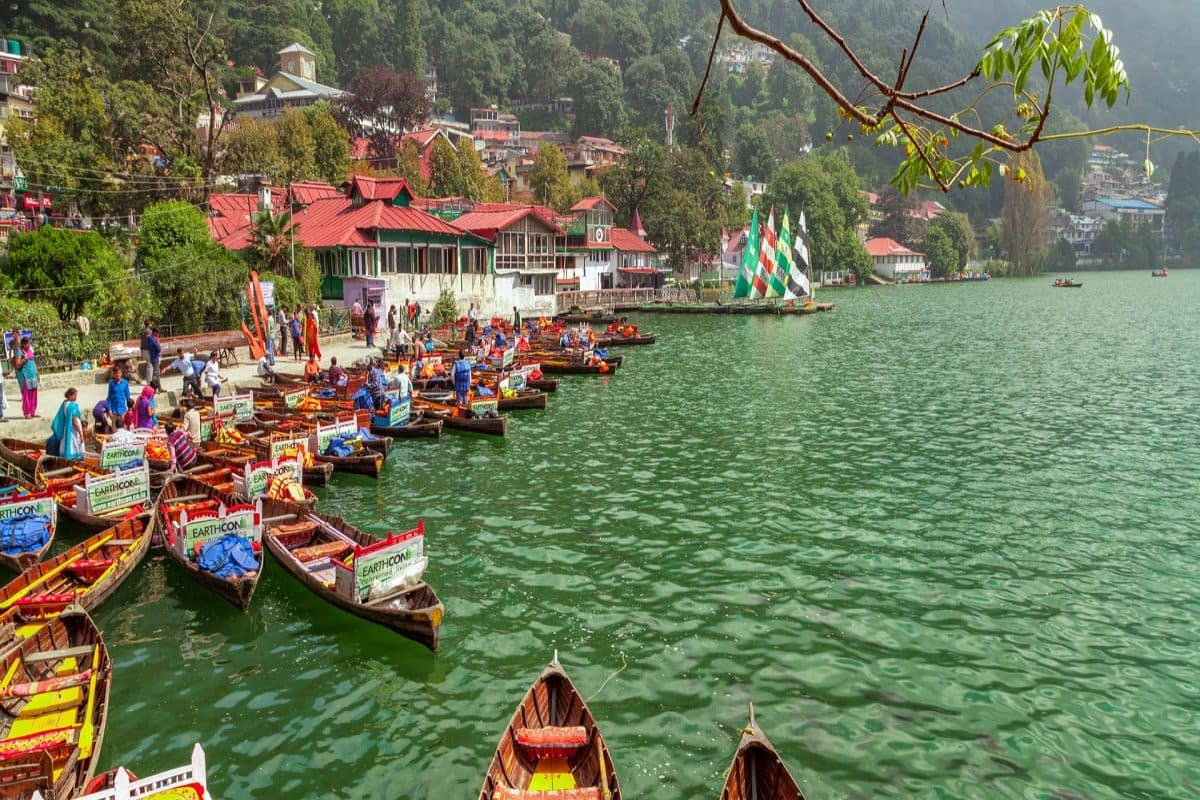
Ecotourism is defined by The International Ecotourism Society (TIES) as “responsible travel to natural areas that conserves the environment, sustains the well-being of the local people, and involves interpretation and education.” This definition highlights the core principles that distinguish ecotourism from other forms of travel.
Key Principles of Ecotourism

Conservation: Prioritizing the preservation of natural habitats and biodiversity. This involves minimizing pollution, protecting wildlife, and supporting conservation efforts.
The Importance of Ecotourism
Ecotourism plays a critical role in addressing the challenges of environmental degradation and unsustainable tourism practices. Its importance can be seen in several key areas.

Environmental Conservation
Ecotourism provides a financial incentive for protecting natural areas. By generating revenue from tourism, it creates a value for conservation, making it more likely that these areas will be preserved. Examples are national parks where fees are used directly for conservation. Ecotourism activities, such as wildlife viewing and nature walks, can also raise awareness about the importance of biodiversity and the need to protect endangered species.
Economic Benefits for Local Communities
Ecotourism can be a significant source of income for local communities, particularly in developing countries. It creates jobs in areas such as guiding, hospitality, and handicrafts. By supporting local businesses, ecotourism helps to diversify economies and reduce reliance on unsustainable practices. Furthermore, it encourages the preservation of cultural traditions by providing an avenue to showcase them to visitors.
Education and Awareness
Ecotourism provides a unique opportunity for tourists to learn about the environment and the importance of conservation. Through guided tours, educational programs, and interactions with local people, visitors can gain a deeper understanding of the natural world and the challenges it faces. This increased awareness can lead to more responsible behavior and a greater commitment to environmental protection.
Promoting Cultural Respect
Ecotourism encourages respect for local cultures and traditions. By engaging with local communities, tourists can learn about their customs, beliefs, and way of life. This cultural exchange can foster mutual understanding and appreciation, helping to break down stereotypes and promote cross-cultural understanding.
Challenges and Criticisms of Ecotourism
While ecotourism offers numerous benefits, it also faces several challenges and criticisms.
Greenwashing
One of the biggest challenges is “greenwashing,” where companies and organizations claim to be engaged in ecotourism but are actually involved in unsustainable practices. This can mislead tourists and undermine genuine ecotourism efforts. Clear certification and transparent practices are vital.
Impact on Fragile Ecosystems
Even well-intentioned ecotourism activities can have negative impacts on fragile ecosystems. Increased tourist traffic can lead to soil erosion, habitat disturbance, and wildlife disruption. Careful planning and management are essential to minimize these impacts.
Leakage of Economic Benefits
In some cases, the economic benefits of ecotourism may not reach local communities. Instead, they may be captured by outside investors or large corporations. Ensuring that local communities benefit directly from tourism is crucial for its success.
Cultural Commodification
Ecotourism can sometimes lead to the commodification of local cultures, where traditional practices are altered or exploited for tourist entertainment. Respectful and ethical engagement with local cultures is essential.
Best Practices for Ecotourism
To ensure that ecotourism lives up to its principles, it’s essential to follow best practices.
Choose Responsible Operators
Select tour operators and accommodations that are committed to sustainable practices and have certifications from reputable organizations. Research the company’s environmental and social policies.
Minimize Your Impact
Reduce waste by bringing reusable water bottles and containers.
Engage with Local Communities
Learn about the local culture and customs.
Educate Yourself
Learn about the environment and conservation issues in the areas you visit.
Supporting Conservation Efforts
Donate to local conservation organizations.
Examples of Successful Ecotourism Destinations
Numerous destinations around the world have successfully implemented ecotourism practices.
Costa Rica
Costa Rica is a pioneer in ecotourism, with a strong commitment to environmental protection and sustainable development. The country’s national parks and reserves offer opportunities for wildlife viewing, hiking, and other nature-based activities.
Galápagos Islands, Ecuador
The Galápagos Islands are a UNESCO World Heritage Site known for their unique biodiversity. Ecotourism in the Galápagos is carefully managed to minimize impacts on the fragile ecosystem, with strict regulations on visitor numbers and activities.
Bhutan
Bhutan is a leader in sustainable tourism, with a focus on high-value, low-impact tourism. The country’s “Gross National Happiness” philosophy prioritizes environmental protection and cultural preservation.
Palau
Palau has been a leader in marine conservation. In 2009 it created the world’s first shark sanctuary. In 2015, Palau pledged to protect 80% of its marine environment. Palau also has the “Palau Pledge” where all visitors must sign a pledge to act in an ecologically sound way on the islands.
The Future of Ecotourism
Ecotourism has the potential to play a vital role in creating a more sustainable and equitable future for travel. As awareness of environmental and social issues grows, more travelers are seeking responsible and meaningful experiences. By embracing best practices and supporting genuine ecotourism initiatives, we can help to ensure that tourism benefits both people and the planet.
In conclusion, ecotourism is more than a trend; it’s a philosophy that prioritizes environmental conservation, community empowerment, and responsible travel. By embracing its principles, we can create a more sustainable and meaningful travel experience for ourselves and future generations.


