

Embracing the Himalayas: A Deep Dive into Eco-tourism in Himachal Pradesh
Himachal Pradesh, the land of snow-capped peaks, verdant valleys, and pristine rivers, offers a unique canvas for eco-tourism. Beyond the postcard-perfect vistas, the state is a repository of rich biodiversity and cultural heritage, making it a prime destination for responsible travelers. This article delves into the diverse facets of eco-tourism in Himachal Pradesh, exploring its potential, challenges, and the ways in which it can contribute to sustainable development.
Eco-tourism, in its essence, is about responsible travel to natural areas that conserves the environment and improves the well-being of local people. In Himachal Pradesh, this translates to:
Preserving Fragile Ecosystems
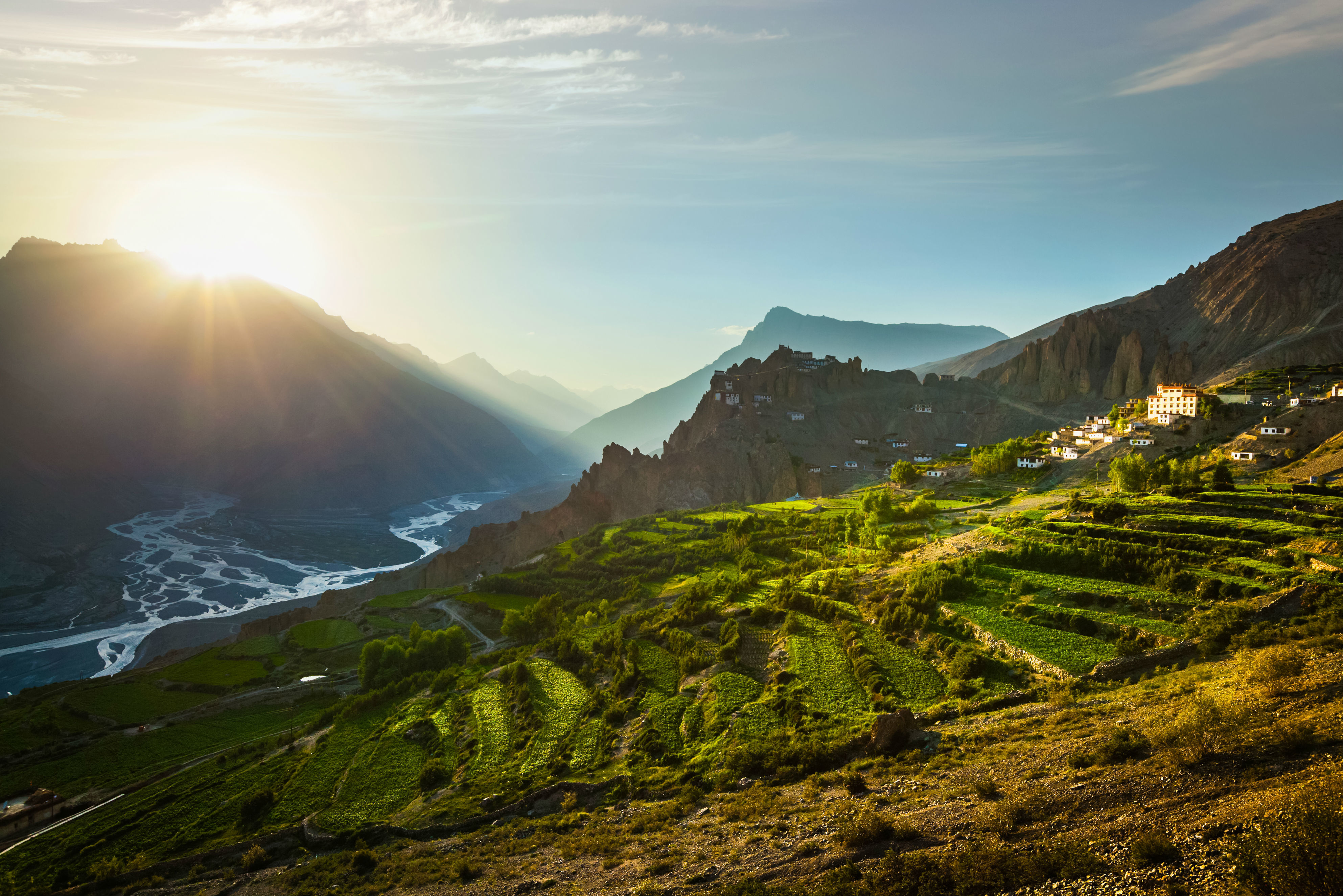
The Himalayas are a delicate ecosystem, vulnerable to the pressures of climate change and unsustainable tourism. Eco-tourism initiatives here focus on minimizing the environmental footprint, promoting waste management, and protecting wildlife habitats.
Empowering Local Communities
Eco-tourism should be a tool for economic empowerment. By involving local communities in tourism activities, such as homestays, guiding, and handicraft production, it can generate income and reduce reliance on unsustainable practices.
Promoting Cultural Exchange and Awareness
Himachal Pradesh is home to diverse cultures and traditions. Eco-tourism offers opportunities for travelers to experience these cultures authentically, fostering mutual understanding and respect.

Himachal Pradesh offers a plethora of eco-tourism destinations, each with its unique charm:
The Great Himalayan National Park (GHNP)
A UNESCO World Heritage Site, GHNP is a biodiversity hotspot, home to rare species like the snow leopard and the western tragopan. Eco-tourism here focuses on guided treks, wildlife viewing, and nature interpretation.
Spiti Valley: A Cold Desert Ecosystem
Spiti, with its stark landscapes and ancient monasteries, offers a unique eco-tourism experience. Visitors can explore remote villages, learn about Buddhist culture, and witness the resilience of life in a cold desert environment.
Kinnaur: The Land of Apples and Ancient Temples
Kinnaur, known for its apple orchards and traditional architecture, offers opportunities for cultural immersion and nature walks. Eco-tourism initiatives here focus on promoting homestays and supporting local artisans.
Parvati Valley: Treks and Tranquility
Parvati Valley, with its lush forests and cascading waterfalls, is a haven for trekkers and nature lovers. Eco-tourism here focuses on promoting sustainable trekking practices and supporting local businesses.
Chamba Valley: Heritage and Handicrafts
Chamba, known for its ancient temples and exquisite handicrafts, offers a blend of cultural and natural experiences. Eco-tourism initiatives here focus on promoting heritage walks, artisan workshops, and rural tourism.
The state offers a range of eco-tourism activities that cater to diverse interests:
Trekking and Hiking
From short nature walks to multi-day treks, Himachal Pradesh offers trails for all levels of fitness. Eco-tourism initiatives promote responsible trekking practices, such as carrying out trash and respecting local customs.
Wildlife Viewing and Birdwatching
The state’s diverse habitats support a rich array of wildlife and birdlife. Eco-tourism initiatives focus on guided wildlife tours and birdwatching excursions, led by trained naturalists.
Homestays and Village Tourism
Homestays offer an authentic glimpse into Himachali life. Eco-tourism initiatives promote homestay programs that benefit local communities and provide travelers with a unique cultural experience.
Cultural Tours and Heritage Walks
Himachal Pradesh is home to numerous ancient temples, monasteries, and historical sites. Eco-tourism initiatives offer guided cultural tours and heritage walks that explore the state’s rich history and traditions.
Adventure Activities with a Sustainable Approach
Activities like mountain biking, river rafting, and camping can be conducted in a sustainable manner. Eco-tourism initiatives promote operators who adhere to responsible practices and minimize their environmental impact.
Despite its potential, eco-tourism in Himachal Pradesh faces several challenges:
Infrastructure Development
Inadequate infrastructure, such as roads, sanitation facilities, and waste management systems, can hinder eco-tourism development.
Over-Tourism and Environmental Degradation
Popular destinations are facing increasing pressure from over-tourism, leading to environmental degradation and cultural erosion.
Lack of Awareness and Training
Many stakeholders, including tourists, tour operators, and local communities, lack awareness about sustainable tourism practices.
Climate Change Impacts
Climate change is impacting the Himalayan ecosystem, leading to glacier melt, changes in precipitation patterns, and increased frequency of natural disasters.
However, there are also significant opportunities for eco-tourism development:
Government Initiatives and Policies
The Himachal Pradesh government is actively promoting eco-tourism through various policies and initiatives, such as the Himachal Pradesh Tourism Policy and the Eco-Tourism Policy.
Community-Based Tourism Models
Community-based tourism models, which empower local communities to manage and benefit from tourism, are gaining traction.
Technological Advancements
Technology can play a crucial role in promoting sustainable tourism, such as through online platforms for booking homestays and eco-friendly tour operators.
Growing Demand for Responsible Travel
There is a growing demand for responsible travel experiences, with more tourists seeking authentic and sustainable options.
Promoting eco-tourism requires the collaboration of various stakeholders:
Government Agencies
Government agencies play a crucial role in developing policies, providing infrastructure, and regulating tourism activities.
Tour Operators and Travel Agencies
Tour operators and travel agencies should promote responsible tourism practices and offer eco-friendly tour packages.
Local Communities
Local communities are the custodians of their natural and cultural heritage. They should be actively involved in tourism planning and management.
Tourists
Tourists have a responsibility to travel responsibly, respect local cultures, and minimize their environmental impact.
NGOs and Civil Society Organizations
NGOs and civil society organizations can play a crucial role in raising awareness, providing training, and advocating for sustainable tourism practices.
The future of eco-tourism in Himachal Pradesh depends on our ability to balance economic development with environmental conservation and social equity. By adopting a holistic approach, involving all stakeholders, and promoting responsible tourism practices, we can ensure that eco-tourism becomes a powerful tool for sustainable development in the Himalayas.
Promoting Sustainable Practices
Implementing stringent regulations on waste management, water conservation, and energy efficiency in tourism establishments.
Investing in Education and Awareness
Conducting workshops and training programs for local communities, tour operators, and tourists on sustainable tourism practices.
Developing Sustainable Infrastructure
Investing in eco-friendly infrastructure, such as solar-powered lighting, composting toilets, and rainwater harvesting systems.
Encouraging Community-Based Tourism
Supporting community-based tourism initiatives that empower local communities and promote cultural exchange.
Monitoring and Evaluating Impacts
Regularly monitoring and evaluating the environmental, social, and economic impacts of eco-tourism to ensure its sustainability.
By embracing these measures, Himachal Pradesh can become a model for eco-tourism development in the Himalayas, ensuring that its natural and cultural treasures are preserved for future generations. The journey towards sustainable tourism is a continuous one, requiring commitment and collaboration from all stakeholders. Through collective effort, we can ensure that the beauty and tranquility of Himachal Pradesh remain a source of inspiration and wonder for generations to come.


