

Unveiling Japan’s Natural Wonders: A Journey Through Serene Landscapes
Japan, often associated with its bustling cities and technological advancements, harbors a breathtaking array of natural attractions that captivate the soul. Beyond the neon lights and urban sprawl lies a tapestry of majestic mountains, tranquil forests, crystal-clear lakes, and dramatic coastlines. This journey will guide you through some of the most stunning natural destinations Japan has to offer, each a testament to the country’s diverse and awe-inspiring beauty.
A Symbol of Japan’s Natural Grandeur
No exploration of Japan’s natural wonders is complete without mentioning Mount Fuji, the country’s highest peak and an iconic symbol. Its perfectly symmetrical cone, often capped with snow, has inspired artists and poets for centuries. Whether viewed from a distance, reflected in the serene waters of Lake Kawaguchiko, or conquered by hikers seeking panoramic vistas, Mount Fuji’s presence is undeniably powerful.
Hiking Trails and Scenic Views

During the official climbing season (July to September), thousands of hikers ascend Mount Fuji via various trails, each offering unique perspectives and challenges. The Yoshida Trail, the most popular route, provides well-maintained paths and numerous mountain huts. For those seeking less strenuous experiences, the Fuji Five Lakes region offers stunning viewpoints and recreational activities, including boating, fishing, and cycling.
Ancient Cedar Forests and Mystical Landscapes
Yakushima, a subtropical island off the southern coast of Kyushu, is a UNESCO World Heritage Site renowned for its ancient cedar forests, known as “yakusugi.” These majestic trees, some over a thousand years old, create a mystical atmosphere, transporting visitors to a world of primeval beauty.
Exploring the Wilderness and Waterfalls
The island’s diverse ecosystem supports a variety of flora and fauna, including the indigenous Yakushima macaque and sika deer. Hiking trails wind through the dense forests, leading to spectacular waterfalls like the Oko-no-taki and Senpiro-no-taki, cascading down moss-covered cliffs. The Shiratani Unsuikyo Ravine, a moss-laden wonderland, is said to have inspired the Studio Ghibli film “Princess Mononoke.”
Traditional Gassho-style Villages
Nestled in the remote mountains of the Japanese Alps, Shirakawa-go and Gokayama are UNESCO World Heritage Sites known for their traditional “gassho-style” farmhouses. These unique structures, with their steeply pitched thatched roofs resembling praying hands, are designed to withstand heavy snowfall.
Seasonal Landscapes and Cultural Heritage
The villages offer a glimpse into Japan’s rural past, with their tranquil landscapes changing dramatically with the seasons. Spring brings vibrant cherry blossoms, summer paints the rice paddies a lush green, autumn transforms the mountainsides into a tapestry of fiery hues, and winter blankets the villages in a serene blanket of snow. Visitors can explore the preserved farmhouses, learn about traditional crafts, and experience the warm hospitality of the local people.
Resilience and Rebirth
The Sanriku Recovery National Park, stretching along the northeastern coast of Honshu, showcases the raw beauty of Japan’s coastline. This region, impacted by the 2011 tsunami, has undergone remarkable recovery, highlighting the resilience of nature and the human spirit.
Coastal Hiking and Scenic Views
The park offers a variety of hiking trails, including the Michinoku Coastal Trail, which winds along rugged cliffs, secluded coves, and sandy beaches. The Kitayamazaki Cliffs, with their dramatic rock formations and panoramic ocean views, are a must-see. The region is also known for its abundant seafood and traditional fishing villages.
Dramatic Mountain Ranges and Onsen Hot Springs
The Japanese Alps, a series of mountain ranges spanning the central region of Honshu, offer a diverse landscape of towering peaks, deep valleys, and pristine alpine lakes. The region is renowned for its hiking trails, challenging climbs, and breathtaking scenery.
Kamikochi and the Tateyama Kurobe Alpine Route
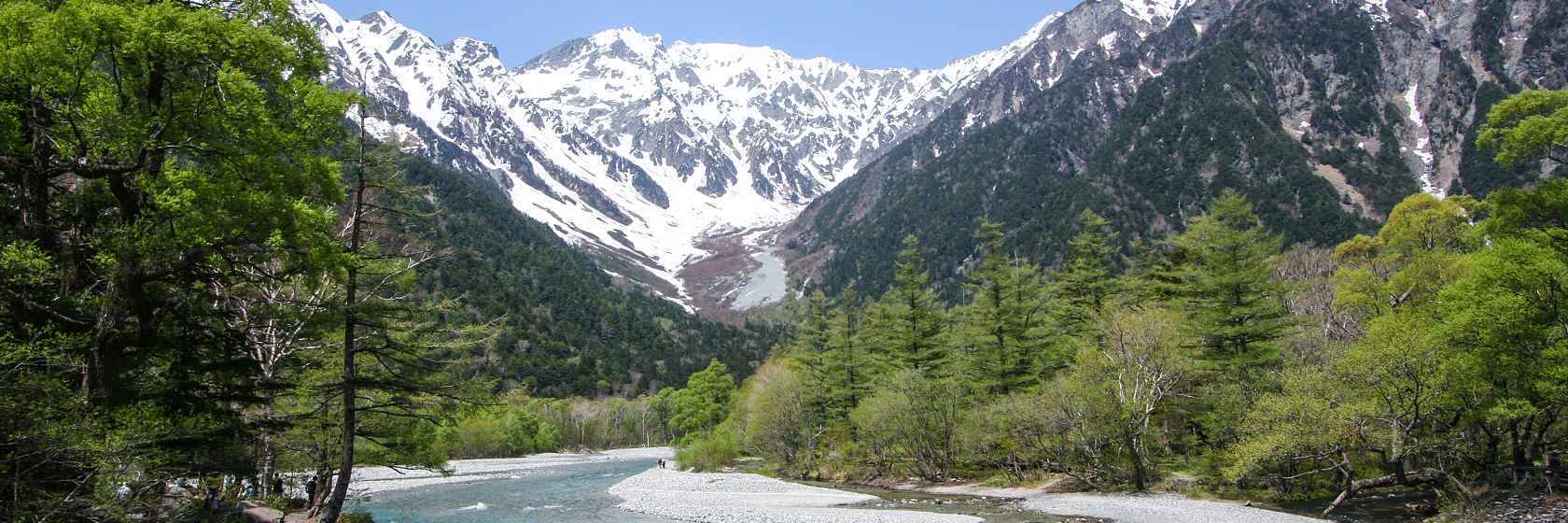
Kamikochi, a picturesque valley nestled in the Northern Alps, is a popular destination for hikers and nature lovers. The crystal-clear waters of the Azusa River, the towering peaks of Mount Hotaka and Mount Yari, and the lush forests create a serene and awe-inspiring environment. The Tateyama Kurobe Alpine Route, a spectacular mountain sightseeing route, traverses the Northern Alps via various modes of transportation, including cable cars, buses, and a trolley bus. This route offers panoramic views of the surrounding mountains and the impressive Kurobe Dam.
Volcanic Lake and Scenic River Valley
Lake Towada, a caldera lake located in the Tohoku region, is known for its deep blue waters and surrounding forests. The Oirase Gorge, a scenic river valley flowing from the lake, is renowned for its numerous waterfalls, moss-covered rocks, and lush vegetation.
Hiking and Nature Photography
Hiking trails along the Oirase Gorge offer opportunities to explore the natural beauty of the region, with its cascading waterfalls, tranquil streams, and vibrant foliage. The lake itself offers boat tours, providing stunning views of the surrounding mountains. The area is a haven for nature photographers, capturing the interplay of light and shadow on the water and through the trees.
Tropical Paradise and Underwater Wonders
Okinawa, Japan’s southernmost prefecture, is a tropical paradise known for its pristine beaches, crystal-clear waters, and vibrant coral reefs. The region’s warm climate and diverse marine life make it a popular destination for snorkeling, diving, and other water activities.
Kerama Islands and Ishigaki Island
The Kerama Islands, a group of islands off the coast of Okinawa Island, are renowned for their coral reefs and abundant marine life. Ishigaki Island, known for its manta ray sightings, is another popular diving destination. The region’s vibrant coral ecosystems support a variety of fish species, sea turtles, and other marine creatures.
Underground wonders
Akiyoshido Cave is one of the largest and most beautiful limestone cave systems in Japan. Located in Yamaguchi Prefecture, it offers a fascinating glimpse into the subterranean world. Inside, visitors can marvel at stalactites, stalagmites, and other unique rock formations. The cave’s expansive chambers and underground rivers create a sense of wonder and adventure.
Accessibility and Features
A significant portion of the cave is open to the public, with well-lit pathways and easily navigable routes. Key features include the “Golden Pillar,” a massive stalagmite, and the “Flying Waterfall,” a cascading flow of underground water. The interior temperature remains relatively constant throughout the year, making it a comfortable destination regardless of the outside weather.
Japan’s desert landscape.
The Tottori Sand Dunes are a unique and surreal landscape along the coast of the Sea of Japan. These vast dunes, created by wind and coastal currents, stretch for several kilometers, creating a desert-like environment unlike anything else in Japan.
Activities and Scenic Views
Visitors can enjoy a variety of activities on the dunes, including camel riding, sandboarding, and paragliding. The dunes also offer stunning panoramic views of the Sea of Japan and the surrounding coastline. The contrast between the golden sands and the deep blue sea creates a captivating scene.
Seasonal splendor.
While Cherry blossoms get huge amounts of well deserved attention, the Plum blossoms, arriving sooner in the year, offer their own seasonal wonder. Japan has many locations with beautiful plum blossom gardens. Some of the most highly rated locations include, Kairakuen in Mito, and Kitano Tenmangu Shrine, in Kyoto.
Early beauty.
Plum blossoms appear in late winter, before the arrival of spring, offering beautiful smells and stunning colors. They are well worth visiting.
Japan’s natural attractions are a testament to the country’s diverse and breathtaking beauty. From the majestic peaks of Mount Fuji to the tranquil forests of Yakushima, each destination offers a unique and unforgettable experience. By venturing beyond the urban centers, travelers can discover a world of natural wonders, immersing themselves in the serenity and splendor of Japan’s landscapes.


