
Embracing Nature’s Embrace: Unveiling the Untapped Potential of Eco-tourism in Ottapalam
Ottapalam, a serene town nestled in the Palakkad district of Kerala, India, often remains overshadowed by the more popular tourist destinations in the state. However, beneath its tranquil exterior lies a treasure trove of natural beauty and cultural richness, making it an ideal candidate for sustainable eco-tourism. This article delves into the potential of eco-tourism in Ottapalam, exploring its natural resources, cultural heritage, and the opportunities for responsible tourism development.
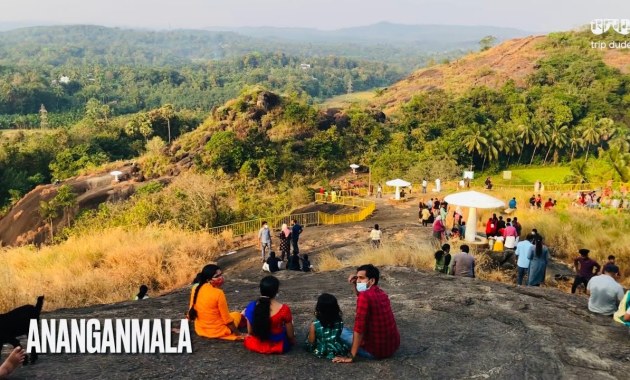
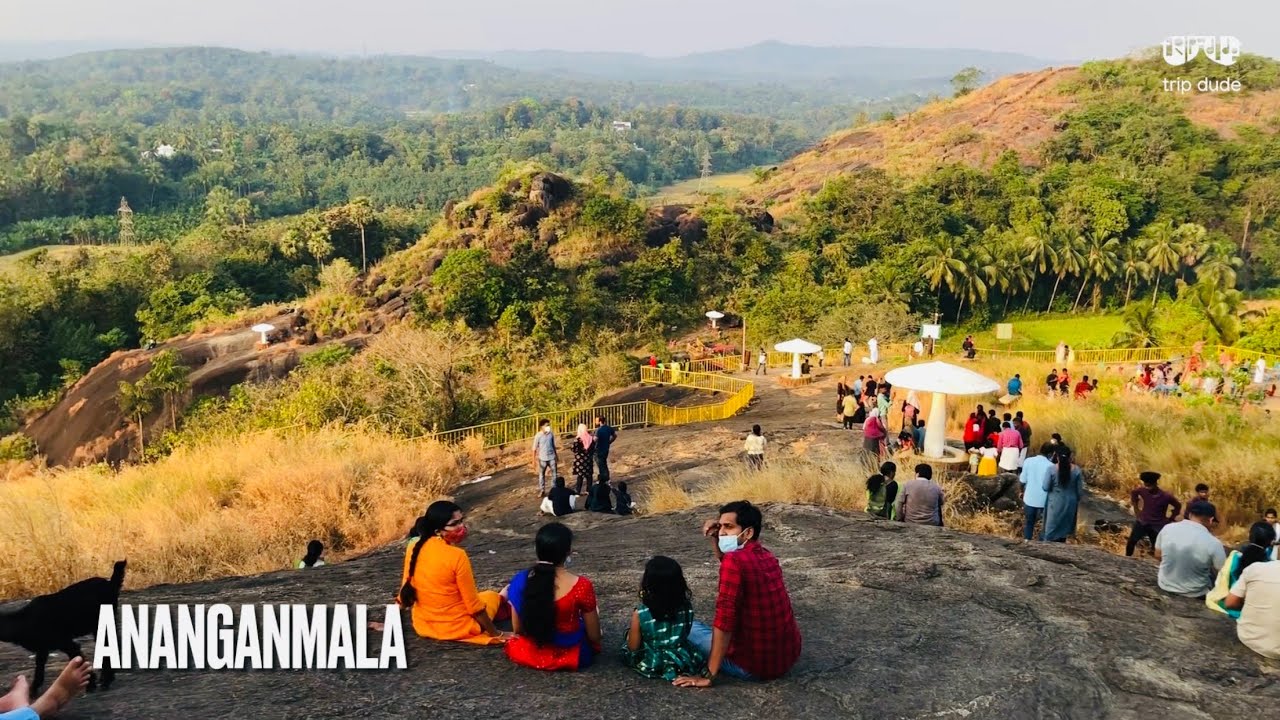
Ottapalam’s geographical location is a confluence of diverse ecosystems, from lush paddy fields and meandering rivers to rolling hills and pockets of dense forests. This diverse landscape offers a plethora of opportunities for nature-based tourism.
The Bharathapuzha River: A Lifeline of Biodiversity
The Bharathapuzha, one of Kerala’s longest rivers, flows through Ottapalam, enriching the region with its fertile banks and diverse aquatic life. The riverine ecosystem supports a variety of flora and fauna, including migratory birds, making it a haven for birdwatchers and nature enthusiasts.
Paddy Fields and Wetlands: A Symphony of Green
The vast expanse of paddy fields surrounding Ottapalam creates a picturesque landscape, especially during the monsoon season. These wetlands also serve as vital habitats for various species of amphibians, reptiles, and insects. Exploring these fields on foot or by bicycle offers a unique glimpse into the traditional agricultural practices of the region.
The Rolling Hills and Forests: A Sanctuary of Tranquility
The hills surrounding Ottapalam, though not as dramatic as the Western Ghats, offer ample opportunities for trekking and nature walks. Small pockets of forests provide shelter to a variety of indigenous plant and animal species. Developing designated trails with trained guides can help tourists explore these areas responsibly.
Local Flora and Fauna: A Rich Tapestry of Life
Ottapalam is home to a diverse array of flora, including medicinal plants, flowering trees, and a variety of grasses. The region’s fauna includes various species of birds, reptiles, and small mammals. Promoting awareness about the local biodiversity through nature trails and educational programs can enhance the eco-tourism experience.

Beyond its natural beauty, Ottapalam boasts a rich cultural heritage, reflected in its temples, festivals, and traditional art forms. Integrating cultural experiences into eco-tourism initiatives can provide a holistic and immersive experience for visitors.
Temples and Religious Sites: Spiritual Sanctuaries
Ottapalam is home to several ancient temples, including the famous Chinakkathoor Pooram temple, which hosts a grand festival annually. These temples are not only places of worship but also repositories of traditional architecture and art. Organizing guided tours with local experts can provide insights into the religious and cultural significance of these sites.
Traditional Art Forms: A Legacy of Creativity
Kerala’s rich tradition of performing arts, such as Kathakali and Theyyam, is also prevalent in Ottapalam. Encouraging local artists to showcase their talents through performances and workshops can provide a platform for cultural exchange and support local livelihoods.
Local Festivals and Celebrations: A Glimpse into Community Life
Participating in local festivals and celebrations offers a unique opportunity to experience the vibrant culture of Ottapalam. Responsible tourism practices should ensure that these events are not commercialized or disrupted, preserving their authenticity.
Traditional Crafts and Cuisine: A Taste of Local Life
Ottapalam is known for its traditional crafts, such as handloom weaving and pottery. Promoting these crafts through workshops and exhibitions can empower local artisans and preserve traditional skills. The region’s cuisine, featuring local ingredients and traditional recipes, is another aspect of its cultural heritage that can be showcased through culinary tours and cooking classes.
Developing eco-tourism in Ottapalam requires a holistic approach that prioritizes environmental conservation, community participation, and responsible tourism practices.
Community-Based Tourism: Empowering Local Stakeholders
Involving local communities in the planning and implementation of eco-tourism initiatives is crucial for ensuring their long-term sustainability. Community-based tourism can provide employment opportunities, generate income, and empower local residents to become stewards of their natural and cultural heritage.
Responsible Accommodation: Minimizing Environmental Impact
Promoting eco-friendly accommodation options, such as homestays and eco-lodges, can minimize the environmental impact of tourism. These accommodations should prioritize the use of sustainable materials, energy-efficient technologies, and waste management practices.
Nature Trails and Guided Tours: Promoting Responsible Exploration
Developing well-marked nature trails with trained guides can help tourists explore the natural beauty of Ottapalam responsibly. Guides can provide information about the local flora and fauna, educate visitors about environmental conservation, and ensure that they follow ethical tourism practices.
Environmental Education and Awareness: Fostering Sustainable Practices
Organizing environmental education programs for tourists and local communities can raise awareness about the importance of conservation and promote sustainable practices. These programs can cover topics such as waste management, water conservation, and biodiversity protection.
Waste Management and Pollution Control: Preserving Natural Resources
Implementing effective waste management and pollution control measures is essential for preserving the natural resources of Ottapalam. This includes promoting recycling, reducing plastic waste, and preventing pollution of rivers and other water bodies.
Sustainable Transportation: Reducing Carbon Footprint
Encouraging the use of sustainable transportation options, such as bicycles and electric vehicles, can reduce the carbon footprint of tourism. Promoting public transportation and walking trails can also contribute to a more sustainable tourism model.
While Ottapalam holds immense potential for eco-tourism, several challenges need to be addressed to ensure its successful development.
Lack of Infrastructure: Enhancing Accessibility and Connectivity
Improving the infrastructure, including roads, transportation, and communication facilities, is essential for attracting tourists and facilitating their travel. Investing in sustainable infrastructure development can enhance the accessibility and connectivity of Ottapalam.
Limited Awareness and Promotion: Reaching a Wider Audience
Promoting Ottapalam as an eco-tourism destination through targeted marketing campaigns and online platforms can help reach a wider audience. Collaborating with travel agencies and tour operators can also increase awareness and attract tourists.
Ensuring Community Participation: Building Trust and Collaboration
Building trust and collaboration between local communities, government agencies, and tourism operators is crucial for ensuring the success of eco-tourism initiatives. Addressing the concerns and needs of local communities and ensuring their active participation is essential.
Balancing Tourism Development with Environmental Conservation: Maintaining Sustainability
Striking a balance between tourism development and environmental conservation is crucial for ensuring the long-term sustainability of eco-tourism in Ottapalam. Implementing strict regulations and monitoring mechanisms can help prevent environmental degradation.
Training and Capacity Building: Empowering Local Stakeholders
Providing training and capacity-building programs for local communities, guides, and tourism operators can enhance their skills and knowledge, enabling them to participate effectively in eco-tourism initiatives.
Ottapalam’s rich natural and cultural heritage, coupled with its serene environment, makes it a promising destination for eco-tourism. By adopting a responsible and sustainable approach, Ottapalam can harness the benefits of tourism while preserving its natural resources and cultural identity. Community participation, environmental conservation, and responsible tourism practices are the cornerstones of a successful eco-tourism model. By embracing these principles, Ottapalam can transform into a model eco-tourism destination, offering visitors a unique and enriching experience while ensuring a sustainable future for its local communities and environment.


