

“`html
Exploring Quebec’s Wild Heart: An Eco-tourism Adventure
Exploring Quebec’s Wild Heart: An Eco-Tourism Adventure
Quebec, a vast and diverse province in Canada, offers an unparalleled experience for eco-tourists. From the rugged coastlines of the Gaspésie to the boreal forests of the Laurentians and the remote tundra of Nunavik, Quebec’s natural beauty is both awe-inspiring and humbling. This article delves into the diverse eco-tourism opportunities that Quebec presents, highlighting sustainable practices and the importance of preserving its unique ecosystems.
Understanding Eco-Tourism in Quebec
Eco-tourism, at its core, is about responsible travel to natural areas, conserving the environment, and improving the well-being of local people. In Quebec, this translates to a commitment to minimizing environmental impact, supporting local communities, and educating visitors about the region’s rich biodiversity and cultural heritage. It’s about experiencing nature without leaving a heavy footprint.
The Principles of Eco-Tourism in Quebec
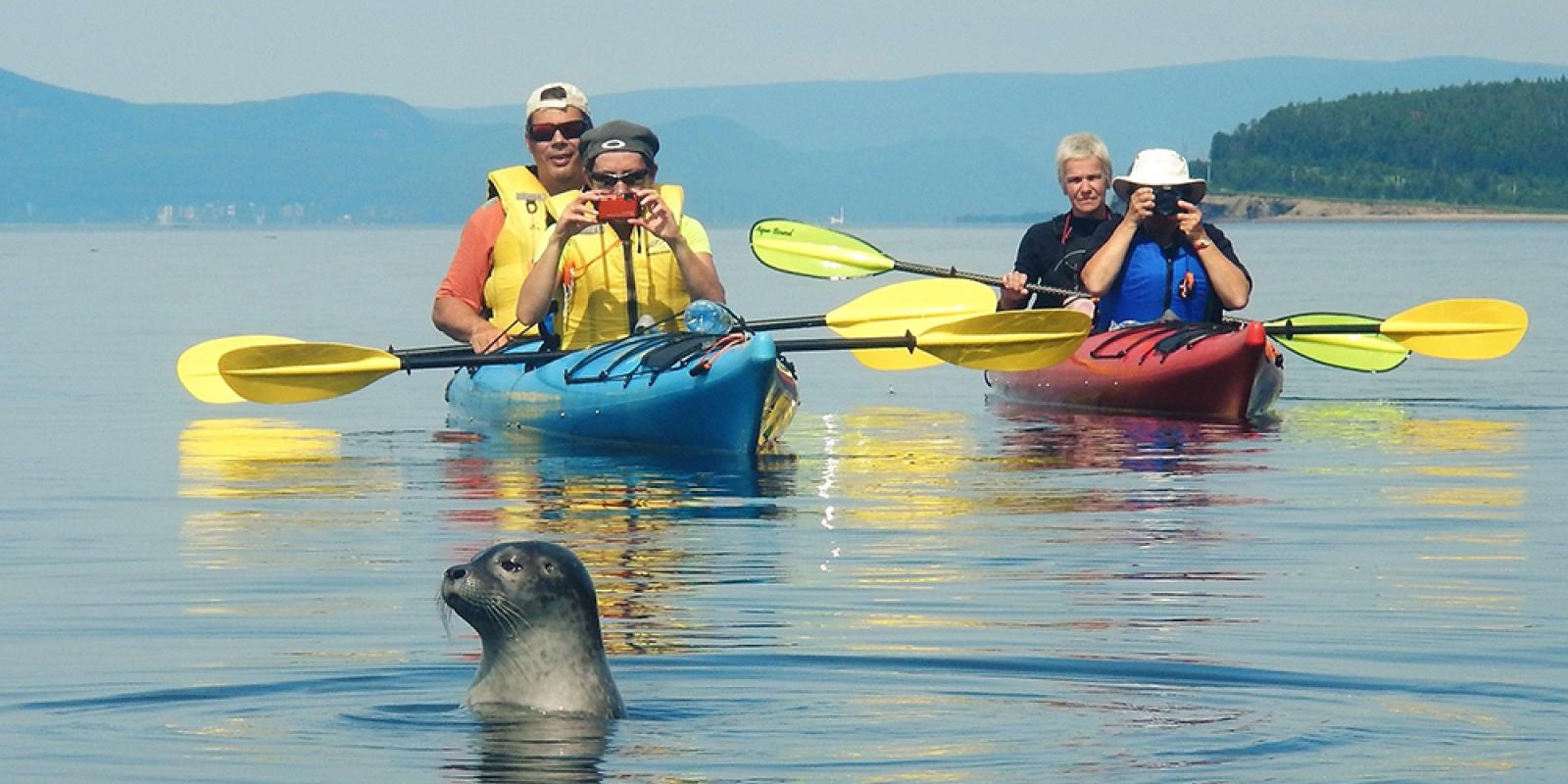
Quebec’s eco-tourism initiatives are guided by several key principles:
Minimizing Environmental Impact
This involves using sustainable transportation, reducing waste, and conserving energy. Many eco-lodges and tour operators in Quebec employ renewable energy sources, implement composting and recycling programs, and encourage visitors to minimize their consumption.
Respecting Local Cultures and Communities
Eco-tourism in Quebec emphasizes partnerships with Indigenous communities, promoting their traditional knowledge and supporting local economies. It’s about fostering mutual respect and understanding between visitors and residents.
Educating and Raising Awareness
Eco-tours in Quebec often include educational components, providing visitors with insights into the region’s ecosystems, wildlife, and cultural history. This helps raise awareness about conservation issues and encourages responsible travel practices.
Contributing to Conservation Efforts

A portion of the revenue generated from eco-tourism activities is often reinvested in conservation projects, such as habitat restoration, wildlife monitoring, and research initiatives. This ensures that eco-tourism contributes to the long-term sustainability of Quebec’s natural resources.
Exploring Quebec’s Diverse Eco-Regions
Quebec’s vast territory encompasses a variety of eco-regions, each offering unique eco-tourism experiences:
The Gaspésie Peninsula: Coastal Wonders and Mountain Trails
The Gaspésie Peninsula, located in eastern Quebec, is renowned for its dramatic coastal scenery, rugged mountains, and abundant wildlife. The region is home to Forillon National Park, a protected area that features towering cliffs, sandy beaches, and lush forests. Visitors can enjoy hiking, kayaking, whale watching, and birdwatching.
Forillon National Park: A Gem of the Gaspésie
Forillon National Park offers a range of eco-tourism activities, including guided hikes, wildlife viewing tours, and sea kayaking excursions. The park’s diverse ecosystems provide habitat for a variety of species, including seals, whales, and seabirds. Visitors can also learn about the region’s cultural history at the park’s interpretation centers.
Percé Rock and Bonaventure Island: Seabird Sanctuaries
Percé Rock, a massive limestone formation, and Bonaventure Island, a seabird sanctuary, are iconic landmarks of the Gaspésie region. Bonaventure Island is home to one of the world’s largest northern gannet colonies. Boat tours offer visitors the opportunity to observe these magnificent birds and other marine wildlife.
The Laurentian Mountains: Forest Adventures and Lake Escapes
The Laurentian Mountains, located north of Montreal, are a popular destination for outdoor enthusiasts. The region’s vast forests, pristine lakes, and numerous rivers provide opportunities for hiking, canoeing, kayaking, and fishing. The Laurentians are also home to several national parks and wildlife reserves.
Mont-Tremblant National Park: A Year-Round Playground
Mont-Tremblant National Park, one of Quebec’s largest protected areas, offers a wide range of eco-tourism activities, including hiking, camping, canoeing, and skiing. The park’s diverse ecosystems provide habitat for a variety of wildlife, including moose, deer, and beavers.
The Saguenay-St. Lawrence Marine Park: Whale Watching and Marine Biodiversity
The Saguenay-St. Lawrence Marine Park, located at the confluence of the Saguenay Fjord and the St. Lawrence River, is a prime destination for whale watching. The park’s nutrient-rich waters attract a variety of marine mammals, including beluga whales, humpback whales, and minke whales. Boat tours and kayaking excursions offer visitors the opportunity to observe these magnificent creatures in their natural habitat.
The Saguenay Fjord: A Natural Wonder
The Saguenay Fjord, a deep glacial valley carved by ancient glaciers, is a natural wonder that offers stunning scenery and unique eco-tourism experiences. Visitors can explore the fjord by boat, kayak, or hiking trail, and learn about its geological history and marine biodiversity.
Nunavik: Arctic Landscapes and Inuit Culture
Nunavik, the northernmost region of Quebec, is a vast and remote territory that encompasses Arctic tundra, ice fields, and coastal areas. The region is home to the Inuit people, who have lived in harmony with the land for thousands of years. Eco-tourism in Nunavik offers visitors the opportunity to experience the unique culture and landscapes of the Arctic.
Tursujuq National Park: A Pristine Wilderness
Tursujuq National Park, one of Quebec’s newest protected areas, encompasses a vast expanse of tundra, mountains, and lakes. The park is home to a variety of Arctic wildlife, including caribou, muskoxen, and Arctic foxes. Visitors can explore the park by hiking, canoeing, or dog sledding, and learn about the Inuit culture and traditional knowledge.
Sustainable Practices in Quebec’s Eco-Tourism Industry
Quebec’s eco-tourism industry is committed to sustainable practices that minimize environmental impact and support local communities. This includes:
Eco-Lodges and Accommodations
Many eco-lodges in Quebec are designed to minimize their environmental footprint, using sustainable building materials, renewable energy sources, and water conservation measures. These lodges often offer educational programs and guided tours that promote responsible travel practices.
Sustainable Transportation
Eco-tour operators in Quebec encourage the use of sustainable transportation, such as hiking, biking, and kayaking. They also promote the use of public transportation and carpooling to reduce greenhouse gas emissions.
Waste Reduction and Recycling
Many eco-tourism businesses in Quebec have implemented waste reduction and recycling programs. They encourage visitors to minimize their use of single-use plastics and to properly dispose of waste.
Supporting Local Businesses and Communities
Eco-tourism in Quebec emphasizes partnerships with local businesses and communities. This includes purchasing local products, hiring local guides, and supporting community-based tourism initiatives.
Tips for Responsible Eco-Tourism in Quebec
To ensure a positive and sustainable eco-tourism experience in Quebec, consider the following tips:
Choose Eco-Friendly Tour Operators and Accommodations
Select tour operators and accommodations that are committed to sustainable practices and have certifications or awards for their environmental efforts.
Respect Wildlife and Habitats
Observe wildlife from a safe distance and avoid disturbing their natural behavior. Stay on designated trails and avoid damaging vegetation.
Minimize Your Impact
Reduce your consumption of resources, such as water and energy. Pack out all trash and avoid leaving any trace of your presence.
Support Local Communities
Purchase local products, dine at local restaurants, and participate in community-based tourism initiatives.
Educate Yourself
Learn about the region’s ecosystems, wildlife, and cultural history. This will enhance your experience and help you make informed decisions about your travel choices.
Conclusion
Quebec’s vast and diverse landscapes offer a wealth of eco-tourism opportunities. By embracing responsible travel practices, visitors can experience the province’s natural beauty while contributing to the conservation of its unique ecosystems and supporting local communities. From the rugged coastlines of the Gaspésie to the boreal forests of the Laurentians and the remote tundra of Nunavik, Quebec’s wild heart awaits those who seek an authentic and sustainable adventure.
“`


