

Sustainable Slumber: A Deep Dive into Eco-tourism Accommodation
The rise of eco-consciousness has transformed the travel industry, with a growing number of travelers seeking experiences that minimize their environmental impact. This shift has placed eco-tourism accommodation at the forefront, pushing the boundaries of sustainable design, operation, and community engagement. From rustic forest cabins to luxurious solar-powered villas, the options are as diverse as the landscapes they inhabit. This article explores the multifaceted world of eco-tourism accommodation, examining its principles, various forms, and the challenges and opportunities it presents.
Eco-tourism accommodation goes beyond simply offering a place to sleep. It embodies a holistic approach that prioritizes environmental responsibility and cultural sensitivity. Key principles include:
Minimizing Environmental Impact
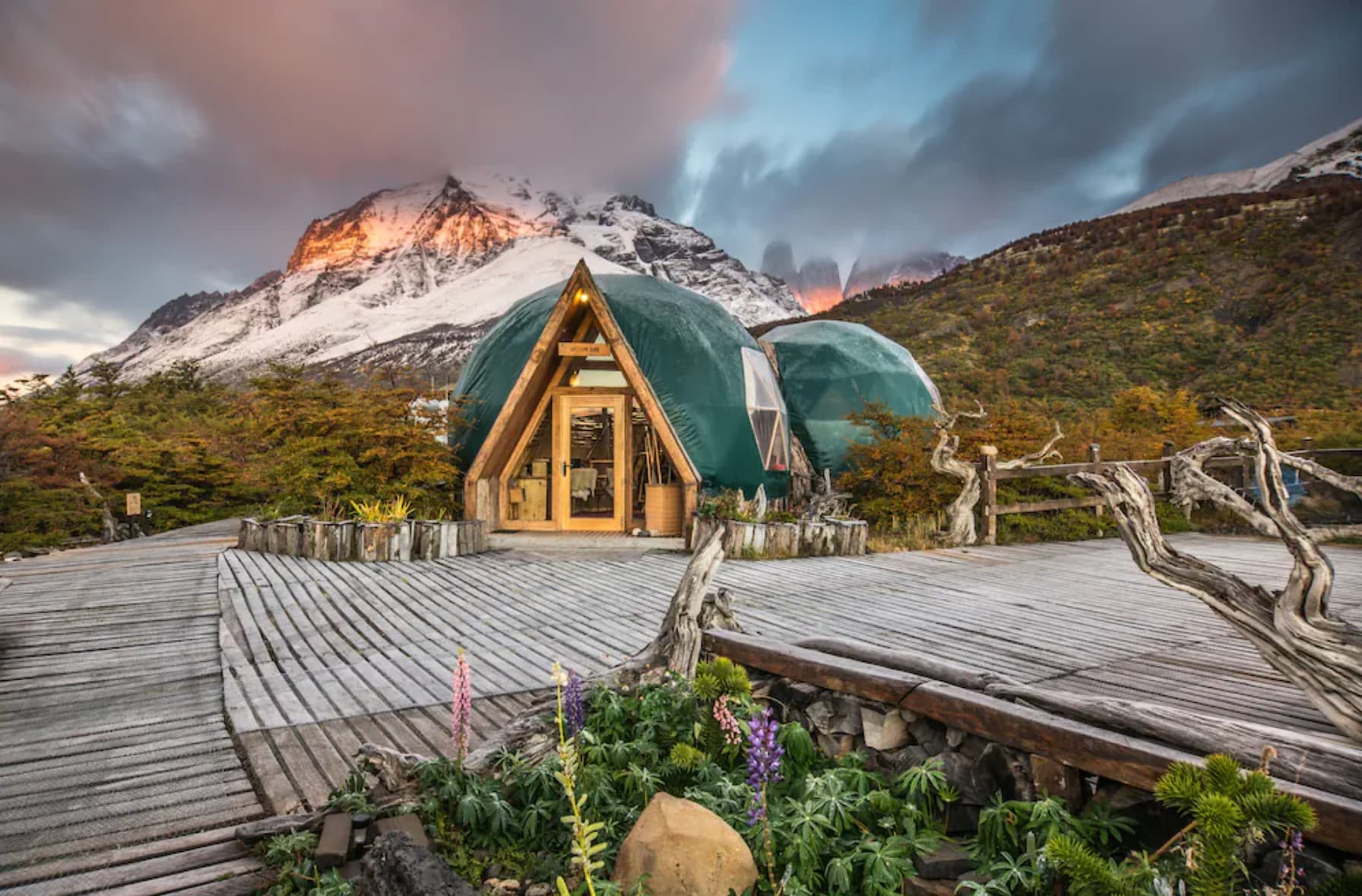
This involves reducing energy and water consumption, minimizing waste, and utilizing sustainable building materials.
Supporting Local Communities
Eco-tourism accommodation often employs local staff, sources local produce, and supports local artisans.
Promoting Conservation
Many eco-lodges are located in or near protected natural areas, contributing to their conservation.
Providing Educational Experiences
Eco-tourism accommodation offers opportunities for guests to learn about the environment and local culture.

The landscape of eco-tourism accommodation is remarkably diverse, catering to a wide range of budgets and preferences. Here are some prominent examples:
Eco-Lodges and Resorts
These establishments are often located in remote natural settings, such as rainforests, mountains, or coastal areas.
Glamping (Glamorous Camping)
Glamping combines the experience of camping with the comforts of a hotel.
Homestays and Community-Based Tourism
Homestays offer guests the opportunity to stay with local families and experience their culture firsthand.
Floating Eco-Lodges
These innovative accommodations are built on floating platforms, minimizing their impact on land-based ecosystems.
Farm Stays and Agro-Tourism
Farm stays allow guests to experience rural life and learn about sustainable agriculture practices.
Treehouses and Forest Cabins
These accommodations offer a unique opportunity to connect with nature from an elevated perspective.
While eco-tourism accommodation offers numerous benefits, it also faces challenges that require careful consideration.
Greenwashing and Misleading Claims
The growing popularity of eco-tourism has led to concerns about greenwashing, where businesses make misleading claims about their sustainability practices.
Balancing Conservation and Development
Eco-tourism development must be carefully managed to avoid negative impacts on fragile ecosystems.
Economic Viability and Accessibility
Eco-tourism accommodation can be more expensive than conventional options, limiting its accessibility to some travelers.
Cultural Sensitivity and Respect
Eco-tourism must be conducted with respect for local cultures and traditions.
Despite the challenges, eco-tourism accommodation presents significant opportunities for growth and innovation.
Technological Advancements
Advances in renewable energy, water conservation, and waste management technologies are driving innovation in eco-lodge design and operation.
Community Empowerment and Local Partnerships
Strengthening partnerships with local communities can enhance the authenticity and sustainability of eco-tourism experiences.
Diversification of Experiences
Expanding the range of eco-tourism experiences can attract a wider audience.
Certification and Standards
Increased adoption of recognized certification programs will increase consumer confidence.
Eco-tourism accommodation is poised to play a pivotal role in the future of sustainable travel. As awareness of environmental issues continues to grow, more travelers will seek experiences that align with their values. By embracing innovation, fostering community partnerships, and promoting responsible practices, the eco-tourism industry can contribute to a more sustainable and equitable world. The journey towards sustainable slumber is just beginning, and its potential is vast.


