

The Indelible Tapestry: Unveiling the Profound Importance of Nature tourism
Nature, in its boundless majesty, has always held a magnetic allure for humanity. From the awe-inspiring grandeur of mountain ranges to the tranquil serenity of ancient forests, the natural world offers a sanctuary for the soul, a source of inspiration, and a vital cornerstone of our planet’s health. In an increasingly urbanized world, the importance of reconnecting with nature has become more critical than ever. This reconnection is facilitated and amplified through nature tourism, a practice that not only offers enriching experiences for individuals but also plays a pivotal role in conservation, community development, and fostering a deeper understanding of our interconnectedness with the environment.
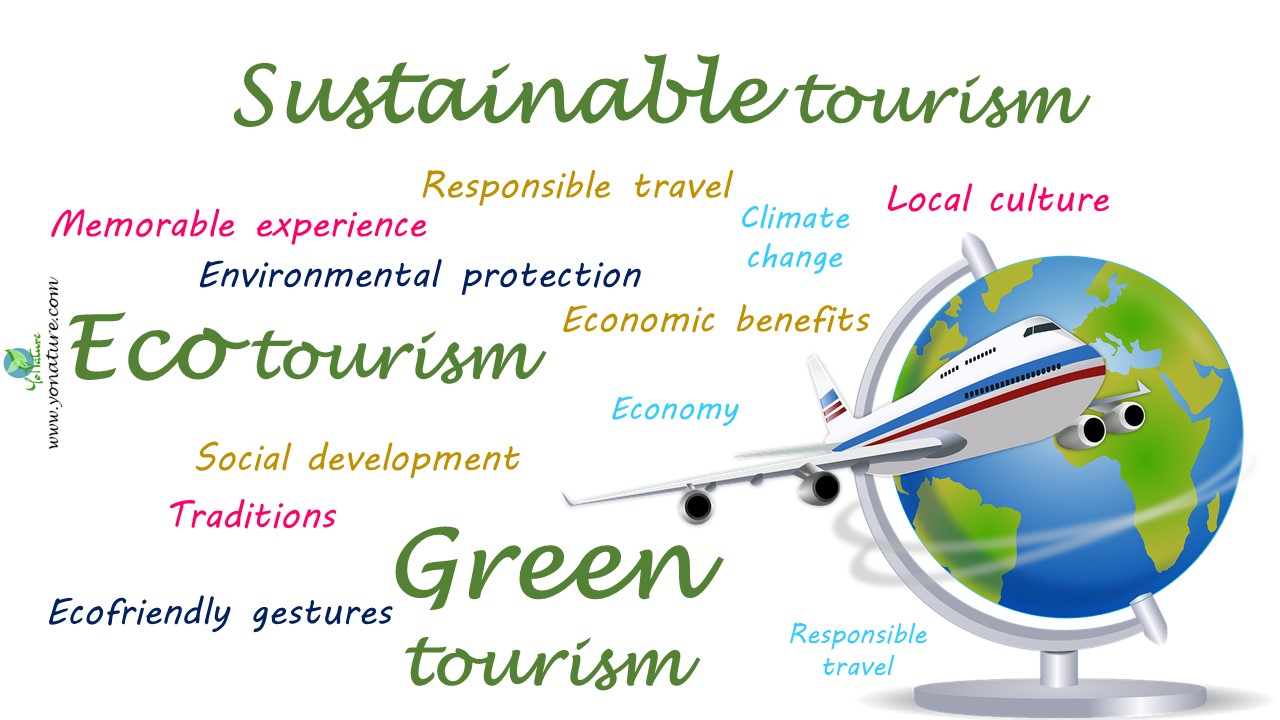
Nature tourism, at its core, transcends mere recreational pursuits. It is a form of travel that emphasizes experiencing and appreciating natural environments, while simultaneously contributing to their conservation and the well-being of local communities. It encompasses a broad spectrum of activities, from wildlife safaris and birdwatching to hiking, kayaking, and eco-lodging. However, what sets it apart is its commitment to sustainability and responsible practices.

Preserving Biodiversity: A Fundamental Imperative
One of the most significant contributions of nature tourism is its role in biodiversity conservation. By generating revenue for protected areas and local communities, it provides a tangible economic incentive for safeguarding natural habitats and wildlife. This revenue can be reinvested in anti-poaching efforts, habitat restoration, and scientific research, ensuring the long-term survival of endangered species and ecosystems.
Protecting Fragile Ecosystems: A Delicate Balance
Nature tourism can also raise awareness about the fragility of certain ecosystems, such as coral reefs, rainforests, and wetlands. By experiencing these environments firsthand, tourists develop a deeper understanding of their ecological importance and the threats they face. This understanding can translate into increased support for conservation initiatives and more responsible travel behaviors.
Combating Climate Change: A Collective Responsibility
Sustainable nature tourism practices, such as minimizing carbon footprints, reducing waste, and promoting renewable energy, can contribute to mitigating climate change. By choosing eco-friendly tour operators and accommodations, tourists can play a part in reducing the environmental impact of their travels.

Economic Empowerment: Building Sustainable Livelihoods
Nature tourism can be a powerful engine for economic development in rural and remote communities. By providing employment opportunities as guides, rangers, lodge staff, and artisans, it can diversify local economies and reduce reliance on unsustainable practices like logging and poaching.
Cultural Preservation: Honoring Indigenous Knowledge
Many nature tourism destinations are home to indigenous communities with rich cultural traditions and deep connections to the land. By partnering with these communities, nature tourism can promote cultural exchange and support the preservation of traditional knowledge and practices.
Education and Awareness: Fostering Environmental Stewardship
Nature tourism can serve as a platform for educating both tourists and local communities about environmental issues. By providing access to information and resources, it can empower individuals to become responsible stewards of the environment.
Mental and Physical Well-being: The Healing Power of Nature
Spending time in nature has been shown to have numerous benefits for mental and physical well-being. It can reduce stress, improve mood, boost creativity, and enhance overall health. Nature tourism provides an opportunity to escape the pressures of modern life and reconnect with the restorative power of the natural world.
Spiritual Connection: Finding Solace in Wilderness
For many, nature tourism is a spiritual journey, a chance to find solace and inspiration in the vastness and beauty of the natural world. It can foster a sense of awe and wonder, reminding us of our place in the grand scheme of things.
Educational Experiences: Expanding Horizons
Nature tourism provides opportunities for learning about diverse ecosystems, wildlife, and cultures. It can spark curiosity, broaden perspectives, and foster a deeper appreciation for the interconnectedness of life on Earth.
Over-tourism: Managing Visitor Impact
One of the biggest challenges facing nature tourism is over-tourism, which can lead to environmental degradation, cultural disruption, and overcrowding. Implementing visitor management strategies, such as limiting access to sensitive areas and promoting off-season travel, is crucial for mitigating these impacts.
Greenwashing: Ensuring Authenticity
The increasing popularity of nature tourism has led to the rise of greenwashing, where businesses make misleading claims about their environmental practices. It is essential for tourists to research and choose reputable tour operators and accommodations that are genuinely committed to sustainability.
Community Participation: Ensuring Equitable Benefits
For nature tourism to be truly sustainable, it is essential that local communities are actively involved in decision-making and benefit equitably from tourism revenue. This requires building strong partnerships, providing training and capacity building, and ensuring fair compensation for services.
Embracing Responsible Travel: A Collective Responsibility
The future of nature tourism depends on our collective commitment to responsible travel practices. This includes choosing eco-friendly options, minimizing our environmental impact, and respecting local cultures and traditions.
Investing in Conservation: Safeguarding Natural Treasures
Governments, businesses, and individuals must invest in conservation initiatives to protect natural habitats and wildlife. This includes supporting protected areas, promoting sustainable land management practices, and combating illegal wildlife trade.
Promoting Education and Awareness: Fostering Environmental Stewardship
Education and awareness are crucial for fostering a culture of environmental stewardship. By providing access to information and resources, we can empower individuals to make informed choices and become advocates for nature conservation.
Harnessing Technology: Innovating for Sustainability
Technology can play a vital role in promoting sustainable nature tourism. This includes using digital platforms to raise awareness, track visitor impacts, and promote eco-friendly travel options.
Nature tourism, when practiced responsibly, has the potential to be a powerful force for good. It can contribute to conservation, community development, and personal enrichment, fostering a deeper understanding and appreciation for the natural world. By embracing sustainable practices and working together, we can ensure that future generations have the opportunity to experience the awe-inspiring beauty and profound importance of nature. Nature tourism is not just a trend; it is a vital pathway towards a harmonious coexistence between humanity and the planet, a legacy we must strive to protect and nurture.


