

The Verdant Heart: A Deep Dive into the Future of Eco-tourism at [Centre Name]
In an era defined by climate consciousness and a growing desire for authentic experiences, eco-tourism has emerged as a beacon of sustainable travel. At the forefront of this movement lies [Centre Name], a pioneering eco-tourism centre nestled within the [Region/Ecosystem, e.g., lush rainforests of Costa Rica, arid plains of the Namib Desert]. This article delves into the intricate workings of [Centre Name], exploring its philosophy, practices, and impact, showcasing how it stands as a model for responsible travel in the 21st century.
The Genesis of [Centre Name]
[Centre Name]’s story began with a vision: to create a space where travellers could connect deeply with nature while actively contributing to its preservation. Founded by [Founders’ Names/Organization] in [Year], the centre was built on the principle that tourism should be a force for good, not a destructive influence. It sought to move beyond the superficial aspects of nature appreciation, fostering a genuine understanding and respect for the delicate balance of the local ecosystem.
Core Values: Sustainability, Education, and Community
The centre’s operations are guided by three core values: sustainability, education, and community. Sustainability extends beyond minimizing environmental impact; it encompasses a commitment to regenerative practices that actively restore and enhance the natural environment. Education is central to the centre’s mission, empowering visitors and locals alike with knowledge about the ecosystem and the importance of conservation. Community engagement is paramount, ensuring that local residents are active participants and beneficiaries of the eco-tourism initiative.
Renewable Energy and Resource Management
[Centre Name] demonstrates a commitment to sustainable energy through the utilization of [Specific Technologies, e.g., solar panels, wind turbines, biomass boilers]. These systems power the centre’s facilities, minimizing reliance on fossil fuels. Water conservation is achieved through [Specific Practices, e.g., rainwater harvesting, greywater recycling, low-flow fixtures]. Waste management is a critical aspect, with a strong emphasis on reducing, reusing, and recycling. Composting organic waste and minimizing single-use plastics are standard practices.
Ecological Architecture and Infrastructure
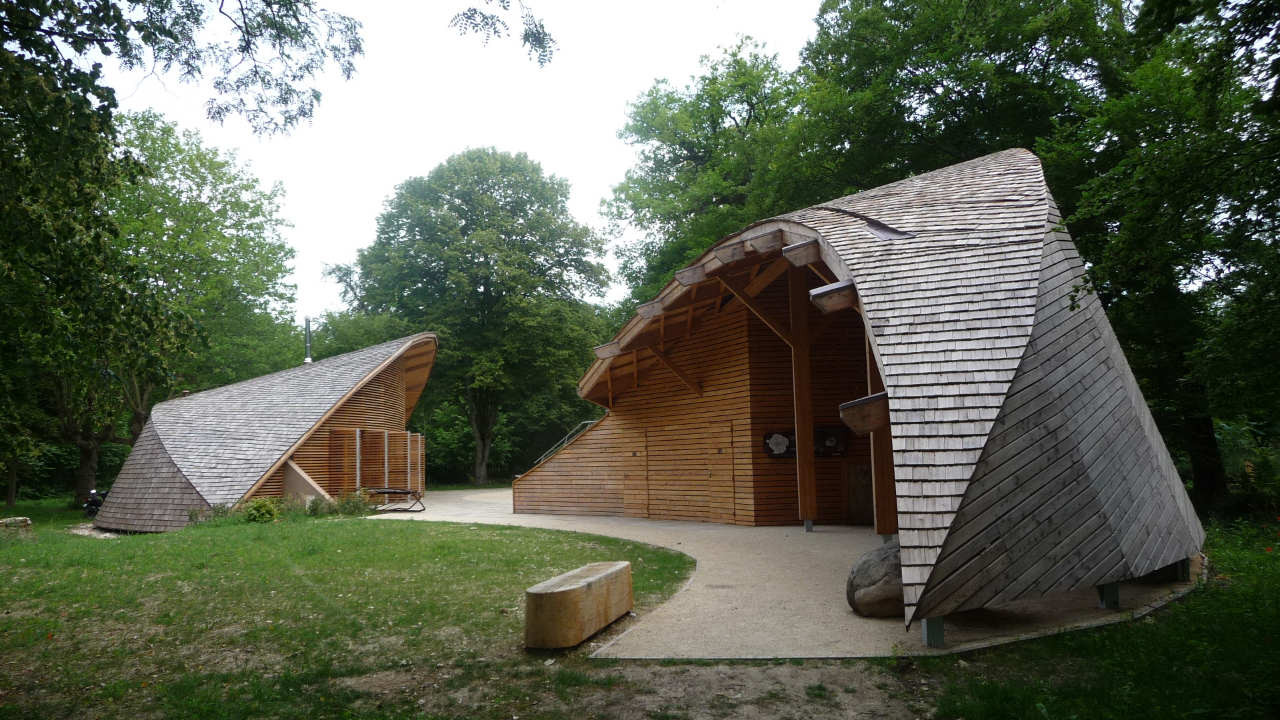
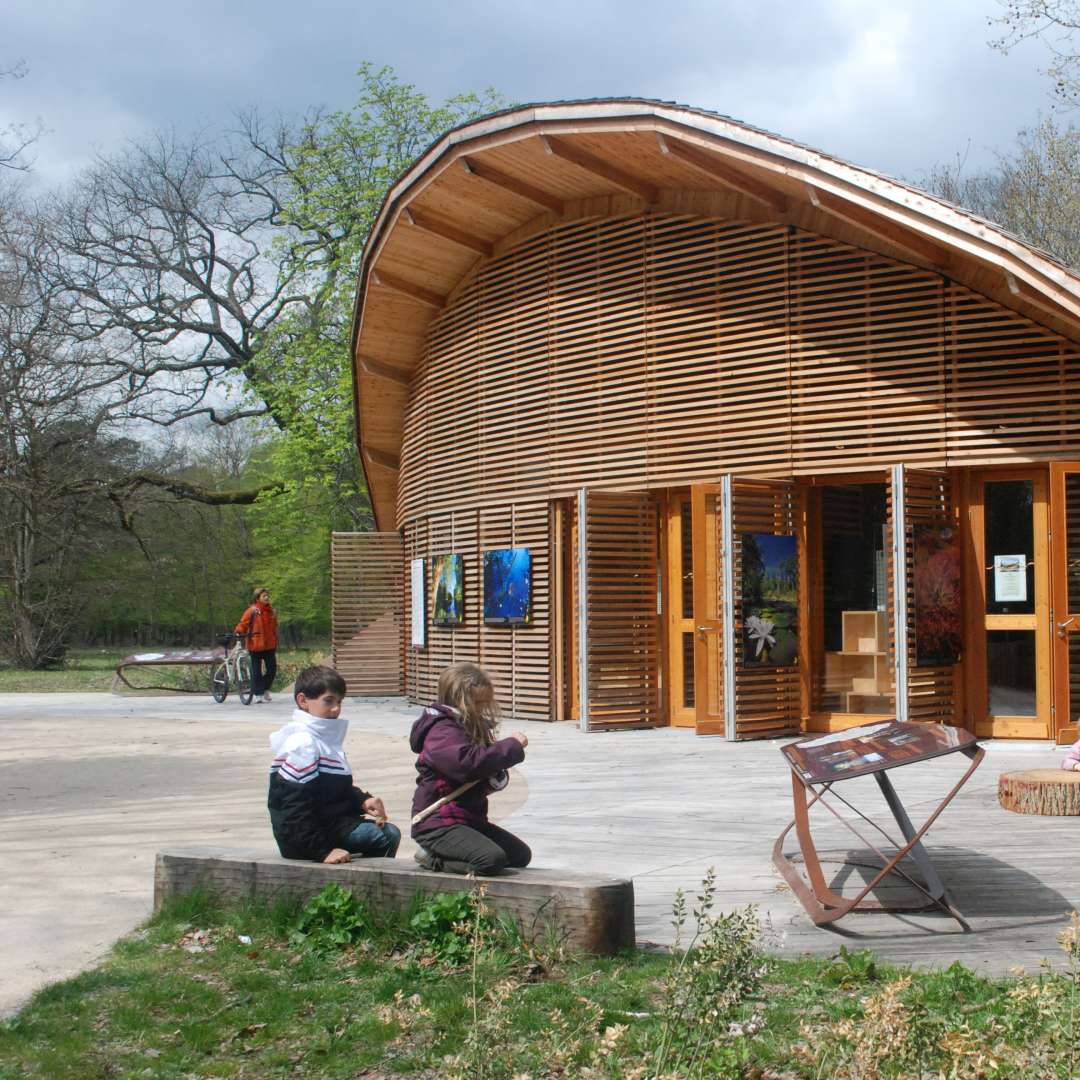
The centre’s architecture reflects a harmonious integration with the surrounding environment. Buildings are constructed using [Local and Sustainable Materials, e.g., bamboo, rammed earth, recycled timber], minimizing the carbon footprint of construction. The design prioritizes natural ventilation and lighting, reducing energy consumption. Infrastructure is designed to minimize disruption to the local ecosystem, with elevated walkways and carefully planned trails.
Sustainable Agriculture and Food Sourcing
[Centre Name] places a high value on locally sourced and sustainably produced food. The centre operates [On-Site Gardens/Partnerships with Local Farms] that supply fresh, organic produce for the restaurant. Guests are encouraged to participate in foraging and learning about traditional food practices. The menu features seasonal dishes that highlight the region’s culinary heritage, promoting a connection to the land and its bounty.
Responsible Wildlife Interaction and Conservation
Wildlife viewing at [Centre Name] is conducted with the utmost respect for the animals and their habitats. Guided tours emphasize ethical wildlife observation, minimizing disturbance and promoting understanding. The centre actively supports [Specific Conservation Projects, e.g., reforestation, species monitoring, habitat restoration]. Guests have the opportunity to participate in these projects, contributing directly to conservation efforts.
Interpretive Trails and Guided Tours
The centre offers a variety of interpretive trails that showcase the unique features of the local ecosystem. Knowledgeable guides lead tours, providing insights into the flora, fauna, and ecological processes. These tours are designed to be engaging and educational, fostering a deeper appreciation for the natural world.
Workshops and Seminars

[Centre Name] hosts workshops and seminars on a range of topics related to ecology, conservation, and sustainable living. These programs are led by experts and provide hands-on learning experiences. Topics may include [Specific Examples, e.g., bird identification, medicinal plant uses, sustainable agriculture techniques].
Community Outreach and Education
The centre recognizes the importance of engaging with the local community in conservation efforts. Educational programs are offered to local schools and community groups, promoting environmental awareness and stewardship. The centre also provides training and employment opportunities for local residents, empowering them to participate in the eco-tourism initiative.
Local Employment and Economic Empowerment
[Centre Name] prioritizes hiring local residents, providing training and fair wages. This creates economic opportunities and empowers the community to benefit from the eco-tourism initiative. The centre also supports local artisans and producers by selling their products in the gift shop and restaurant.
Collaborative Conservation Projects
The centre collaborates with local communities on conservation projects, fostering a sense of shared responsibility for the environment. These projects may include [Specific Examples, e.g., community-based reforestation, wildlife monitoring, sustainable resource management].
Cultural Exchange and Heritage Preservation
[Centre Name] promotes cultural exchange by providing opportunities for visitors to learn about the local culture and traditions. The centre also supports efforts to preserve cultural heritage, such as traditional crafts, music, and dance. Guest are encouraged to respect local customs and learn from the indigenous population, where applicable.
Environmental Benefits
[Centre Name] has demonstrated a significant positive impact on the local environment. The centre’s regenerative practices have contributed to [Specific Environmental Improvements, e.g., increased biodiversity, improved water quality, reduced soil erosion]. The centre’s commitment to conservation has helped to protect endangered species and their habitats.
Social Benefits
The centre has created economic opportunities and empowered local communities. Educational programs have increased environmental awareness and fostered a sense of stewardship. Cultural exchange has promoted understanding and respect between visitors and local residents.
Economic Benefits
[Centre Name] has generated revenue for the local economy, creating jobs and supporting local businesses. The centre has also attracted tourists to the region, boosting the tourism sector.
Challenges and Future Directions
Despite its successes, [Centre Name] faces ongoing challenges, such as [Specific Challenges, e.g., balancing tourism with conservation, managing visitor impact, adapting to climate change]. The centre is committed to continuous improvement and innovation, exploring new ways to enhance its sustainability practices and expand its impact. Future directions may include [Specific Examples, e.g., expanding educational programs, developing new eco-tourism experiences, strengthening partnerships with local communities].
A Call to Action: Embracing Responsible Travel
[Centre Name] serves as a powerful example of how eco-tourism can be a force for positive change. By embracing responsible travel practices, we can all contribute to the preservation of our planet’s natural and cultural heritage. We must seek out experiences that connect us deeply with nature, support local communities, and minimize our environmental footprint. By choosing eco-tourism centres like [Centre Name], we can ensure that our travels leave a positive legacy for future generations.


