

Absolutely! Here’s a 3000-word article about ecotourism countries, with list items converted to headings.
Ecotourism, the responsible travel to natural areas that conserves the environment and improves the well-being of local people, has surged in popularity. Travelers are increasingly seeking authentic experiences that minimize their impact and contribute positively to the places they visit. This article explores some of the world’s leading ecotourism destinations, highlighting their unique offerings and commitment to sustainable practices.
Biodiversity Hotspot

Costa Rica, often cited as the poster child of ecotourism, boasts an astonishing array of biodiversity. From lush rainforests and volcanic landscapes to pristine beaches and coral reefs, the country offers a diverse range of ecosystems to explore. National parks and biological reserves, such as Corcovado National Park and Monteverde Cloud Forest Reserve, protect these natural treasures and provide exceptional wildlife viewing opportunities.
Community-Based Tourism
Costa Rica has embraced community-based tourism, empowering local communities to manage and benefit from tourism activities. Many lodges and tour operators partner with indigenous groups and rural communities, providing authentic cultural experiences and supporting sustainable livelihoods.
Emphasis on Conservation
The country’s commitment to conservation is evident in its ambitious goals, including achieving carbon neutrality. Costa Rica has implemented numerous initiatives to protect its natural resources, such as reforestation programs and strict regulations on development.
High-Value, Low-Impact Tourism

Bhutan, nestled in the Himalayas, has adopted a unique approach to tourism, prioritizing high-value, low-impact travel. The country imposes a daily tariff on visitors, ensuring that tourism contributes to sustainable development and cultural preservation.
Preservation of Cultural Heritage
Bhutan’s rich cultural heritage is deeply intertwined with its natural environment. Traditional architecture, Buddhist monasteries, and vibrant festivals showcase the country’s unique identity. Ecotourism initiatives often incorporate cultural experiences, allowing visitors to connect with local traditions and customs.
Carbon-Negative Nation
Bhutan stands out as a carbon-negative country, absorbing more carbon dioxide than it emits. This remarkable achievement is attributed to its vast forest cover and commitment to sustainable practices.
Galapagos Islands: A Natural Laboratory
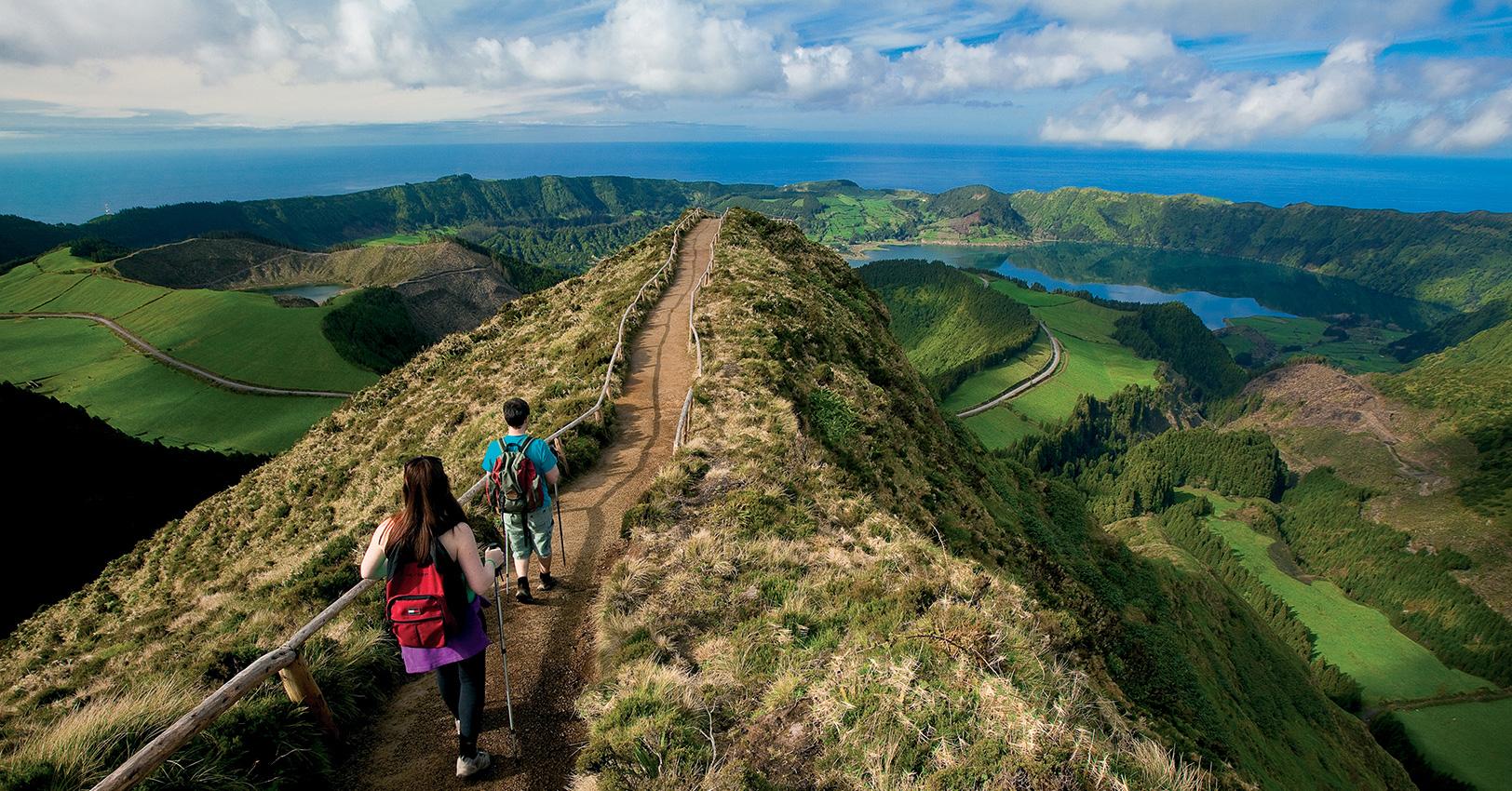
The Galapagos Islands, a UNESCO World Heritage Site, are a must-visit destination for nature enthusiasts. These volcanic islands are home to unique wildlife, including giant tortoises, marine iguanas, and blue-footed boobies, which inspired Charles Darwin’s theory of evolution.
Amazon Rainforest Adventures
Ecuador’s Amazon region offers another incredible ecotourism experience. Visitors can explore the rainforest by canoe, hike through the jungle, and learn about indigenous cultures. Many lodges and tour operators work with local communities, ensuring that tourism benefits the people who call the Amazon home.
Andes Mountains Exploration
Beyond the Galapagos and the Amazon, Ecuador boasts the majestic Andes Mountains, offering opportunities for hiking, trekking, and exploring high-altitude ecosystems.
Maasai Mara National Reserve
Kenya is renowned for its wildlife safaris, particularly in the Maasai Mara National Reserve. The annual wildebeest migration, one of the world’s most spectacular natural events, attracts visitors from around the globe.
Community Conservancies
Community conservancies play a crucial role in Kenya’s ecotourism model. These initiatives empower local communities to manage and benefit from wildlife tourism, promoting conservation and sustainable livelihoods.
Responsible Safari Practices
Many safari operators in Kenya have adopted responsible tourism practices, such as limiting vehicle numbers, using eco-friendly lodges, and supporting local communities.
Geothermal Activity
Iceland’s volcanic landscape is characterized by geothermal activity, with geysers, hot springs, and mud pools dotting the countryside. Visitors can experience these natural wonders while minimizing their impact by adhering to designated trails and respecting the environment.
Northern Lights and Midnight Sun
Iceland’s unique location near the Arctic Circle offers opportunities to witness the mesmerizing Northern Lights and experience the midnight sun. Ecotourism operators often provide guided tours that minimize light pollution and respect wildlife.
Sustainable Energy and Resource Management
Iceland is a leader in sustainable energy, harnessing geothermal and hydropower to meet its energy needs. The country also emphasizes responsible resource management, promoting recycling and reducing waste.
Rock Islands Southern Lagoon
Palau’s Rock Islands Southern Lagoon, a UNESCO World Heritage Site, is a marine paradise. The clear waters and diverse coral reefs provide excellent opportunities for snorkeling, diving, and kayaking.
Marine Protected Areas
Palau has established extensive marine protected areas to safeguard its marine biodiversity. The country has also implemented strict regulations on fishing and tourism activities to minimize environmental impact.
The Palau Pledge
Visitors to Palau are required to sign the Palau Pledge, a commitment to act responsibly and protect the country’s natural and cultural heritage.
Ljubljana: European Green Capital
Slovenia’s capital, Ljubljana, was awarded the European Green Capital title in 2016, recognizing its commitment to sustainable urban development. The city boasts car-free zones, green spaces, and a focus on cycling and public transportation.
Julian Alps and Triglav National Park
Slovenia’s Julian Alps and Triglav National Park offer opportunities for hiking, climbing, and exploring pristine mountain landscapes. Ecotourism initiatives in the region promote sustainable tourism practices and support local communities.
Eco-Friendly Accommodations
Slovenia offers a range of eco-friendly accommodations, from farm stays and glamping sites to sustainable hotels. Many of these accommodations prioritize energy efficiency, waste reduction, and local sourcing.
National Parks and Wilderness Areas
New Zealand’s national parks and wilderness areas offer a wealth of opportunities for adventure tourism, including hiking, kayaking, and wildlife viewing. The country’s commitment to conservation is evident in its extensive network of protected areas.
Maori Cultural Experiences
New Zealand’s Maori culture is an integral part of its identity. Ecotourism initiatives often incorporate Maori cultural experiences, allowing visitors to learn about traditional customs and beliefs.
Sustainable Tourism Initiatives
New Zealand has implemented numerous sustainable tourism initiatives, such as the Tiaki Promise, a commitment to care for the land, sea, and people.
Norwegian Fjords
Norway’s fjords, deep inlets carved by glaciers, are a breathtaking natural wonder. Visitors can explore these stunning landscapes by boat, kayak, or on foot, while respecting the fragile ecosystems.
Arctic Adventures
Norway’s Arctic regions offer opportunities for unique ecotourism experiences, such as dog sledding, snowmobiling, and Northern Lights viewing. Ecotourism operators in the Arctic prioritize responsible practices and minimize environmental impact.
Sustainable Fishing and Resource Management
Norway is a leader in sustainable fishing and resource management, ensuring that its marine resources are protected for future generations.
Volcanoes National Park
Rwanda’s Volcanoes National Park is home to endangered mountain gorillas. Gorilla trekking, a highly regulated activity, provides a unique opportunity to observe these magnificent creatures in their natural habitat.
Community-Based Tourism
Rwanda has embraced community-based tourism, empowering local communities to benefit from tourism activities. Many lodges and tour operators work with local communities, providing employment opportunities and supporting sustainable livelihoods.
Reforestation and Conservation Efforts
Rwanda has made significant strides in reforestation and conservation efforts, contributing to the protection of its natural resources and the recovery of mountain gorilla populations.
In conclusion, these countries showcase the diverse and rewarding experiences that ecotourism has to offer. By choosing responsible travel options, visitors can contribute to the conservation of natural resources, support local communities, and create lasting memories. As the world becomes increasingly aware of the importance of sustainability, ecotourism will continue to play a vital role in protecting our planet’s precious ecosystems.

